

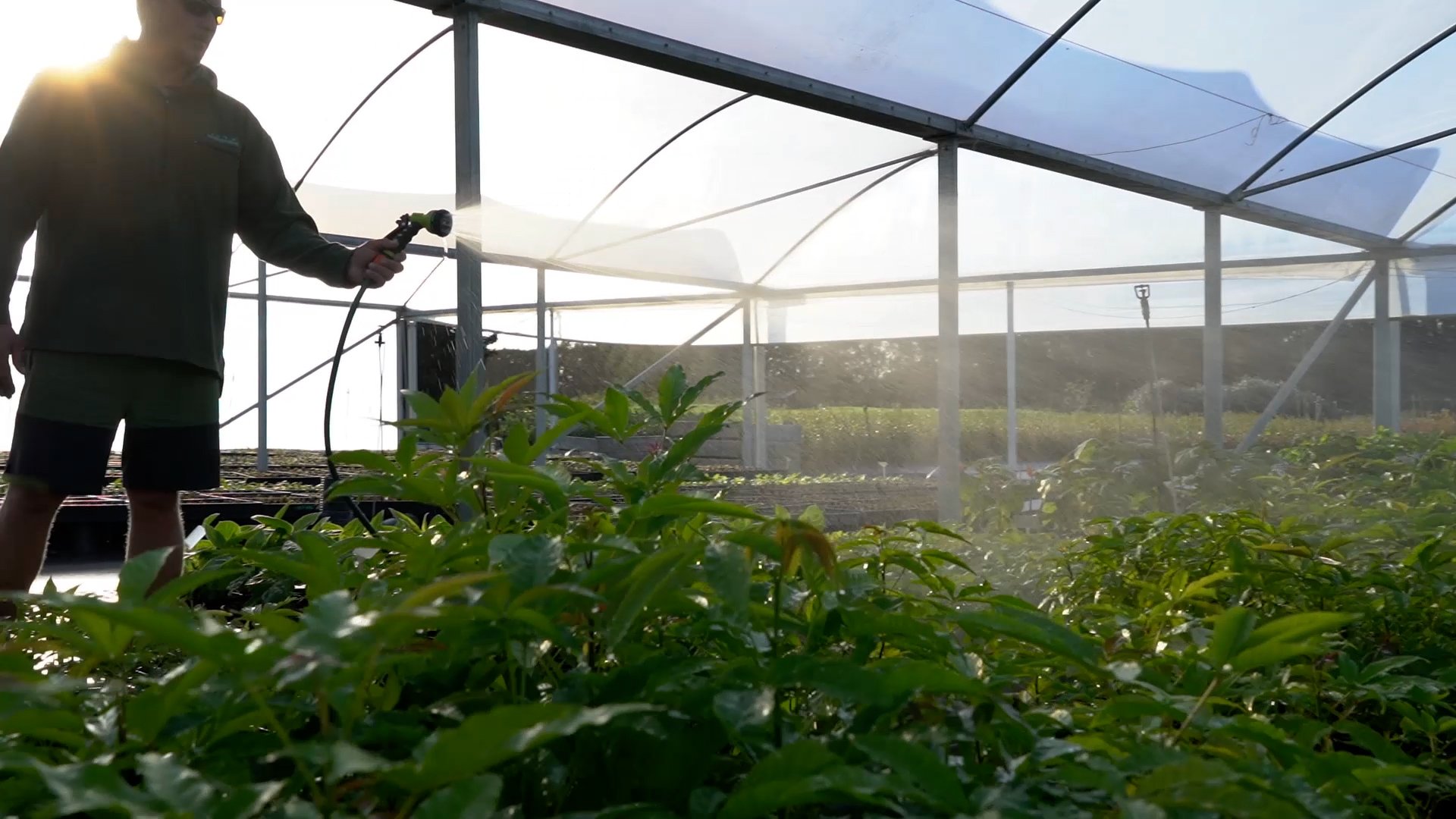
Edible plant specialists
Edible Plants grown with love
Experience the pleasure that comes from growing, harvesting, sharing, and enjoying fruit – straight from your very own garden. As specialist edible plant growers, we’ve spent the last 20 years, lovingly propagating and nurturing hundreds of varieties of fruiting plants at our nursery in Katikati. The result is the most extensive range available anywhere in New Zealand, so you can choose the variety that’s exactly right for you, with the confidence that it’s been developed specifically for New Zealand growing conditions.
Having a garden is one of life’s great joys, reconnecting us with the earth, and helping us to savour the changes of each new season. We love each and every stage of the growing experience, and we hope that you will too.
Popular Varieties
Browse our most popular varieties below or view the full range

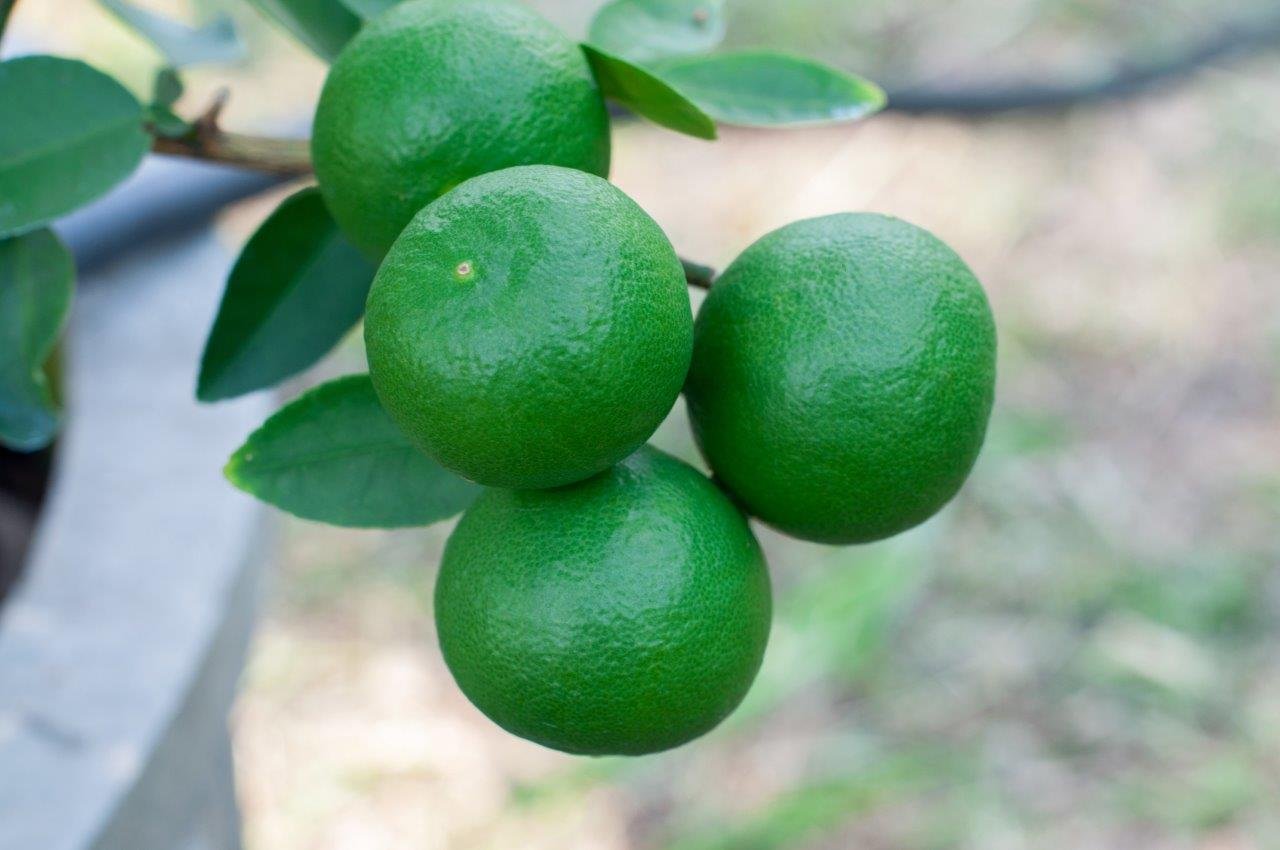

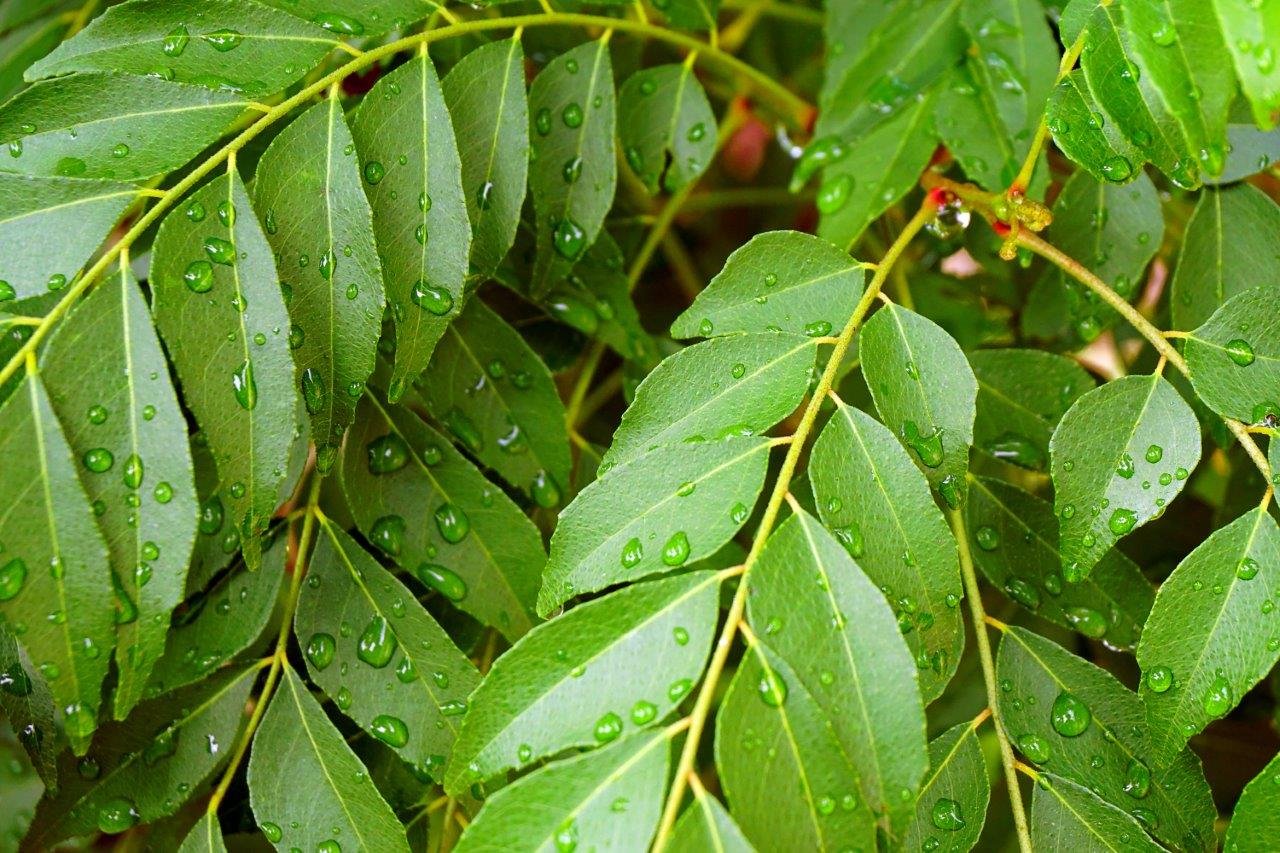
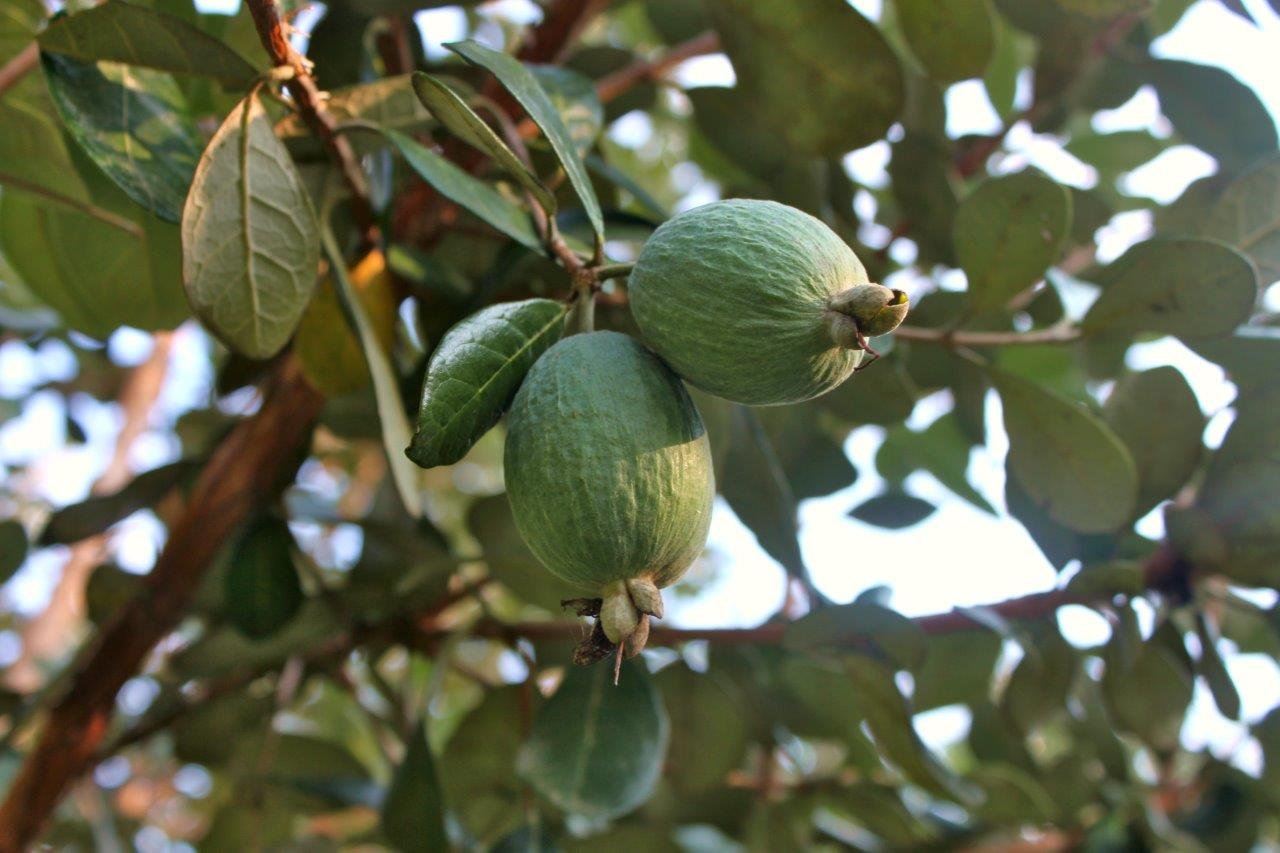
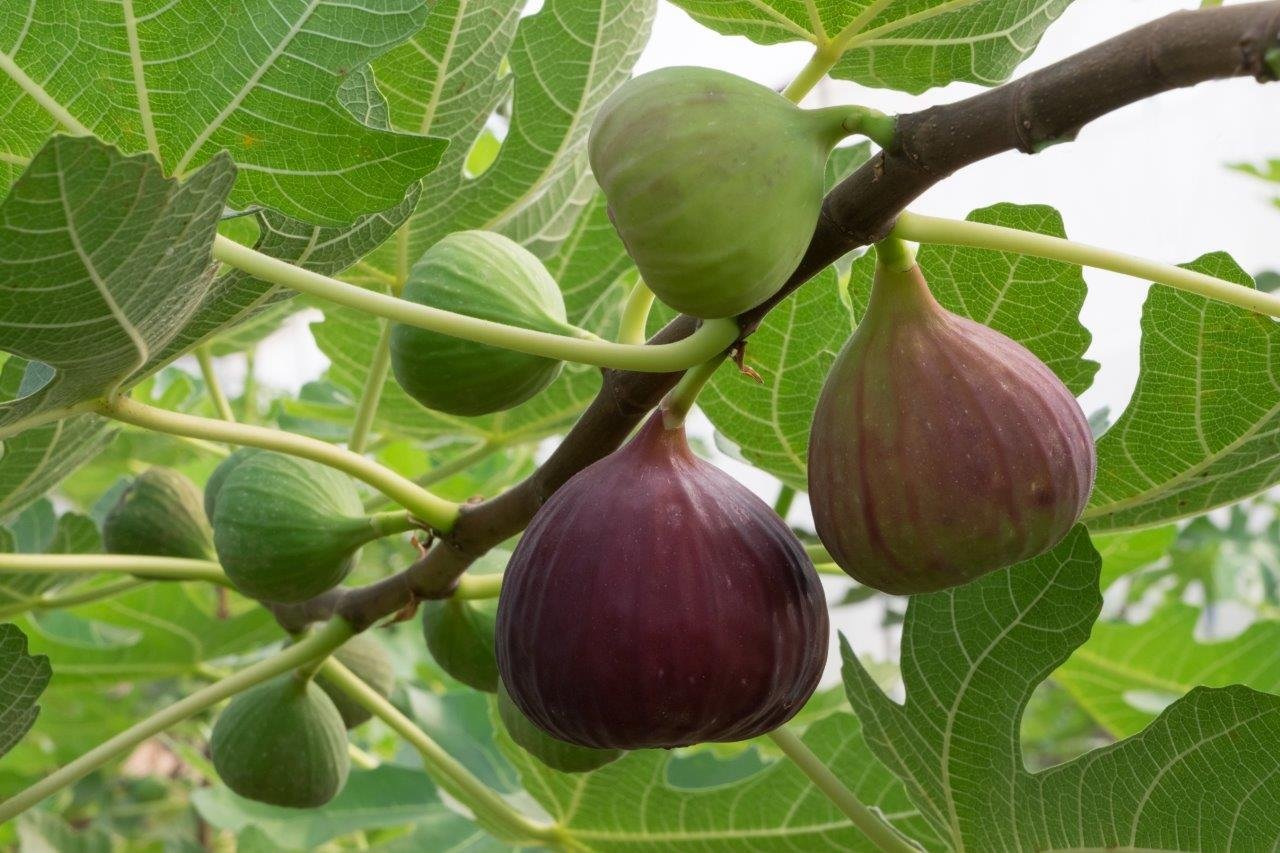


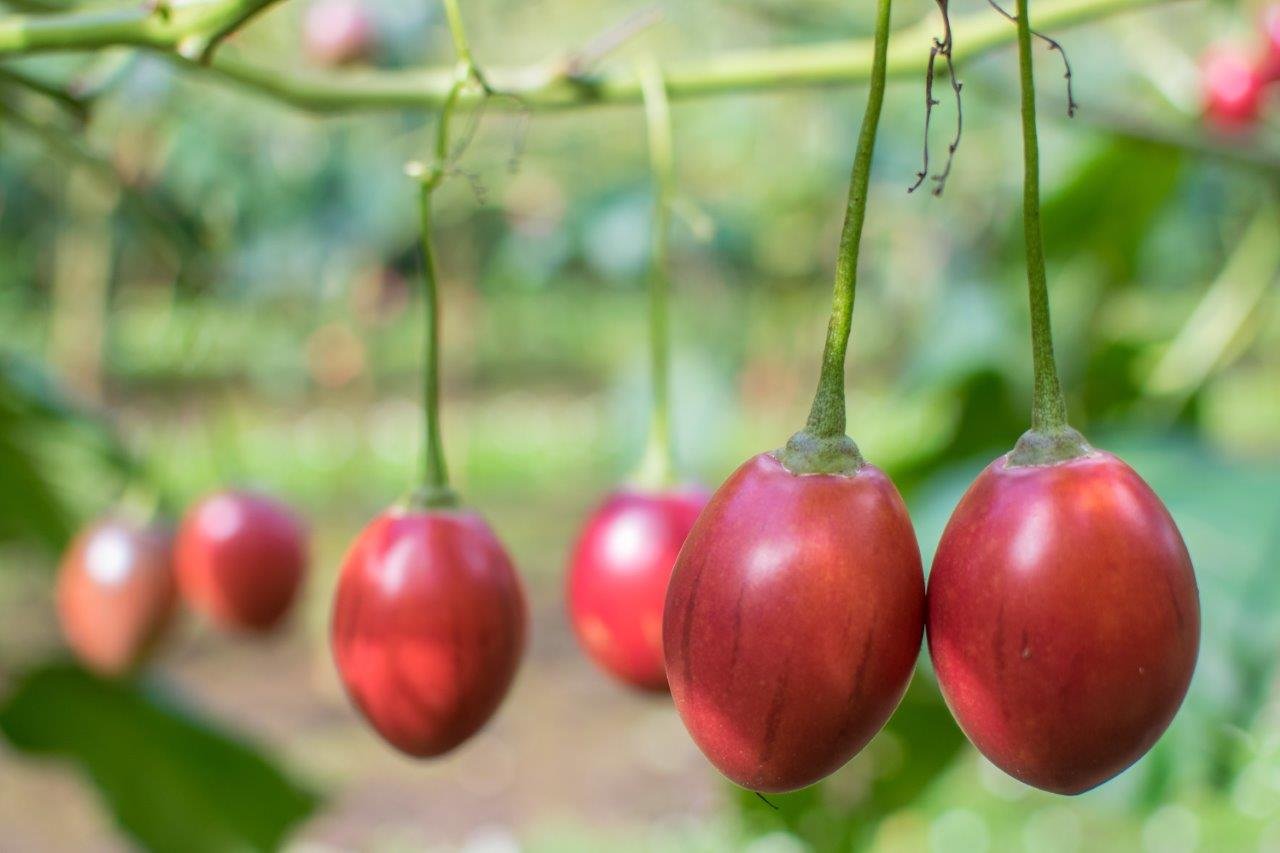
Fiona’s pick of the month
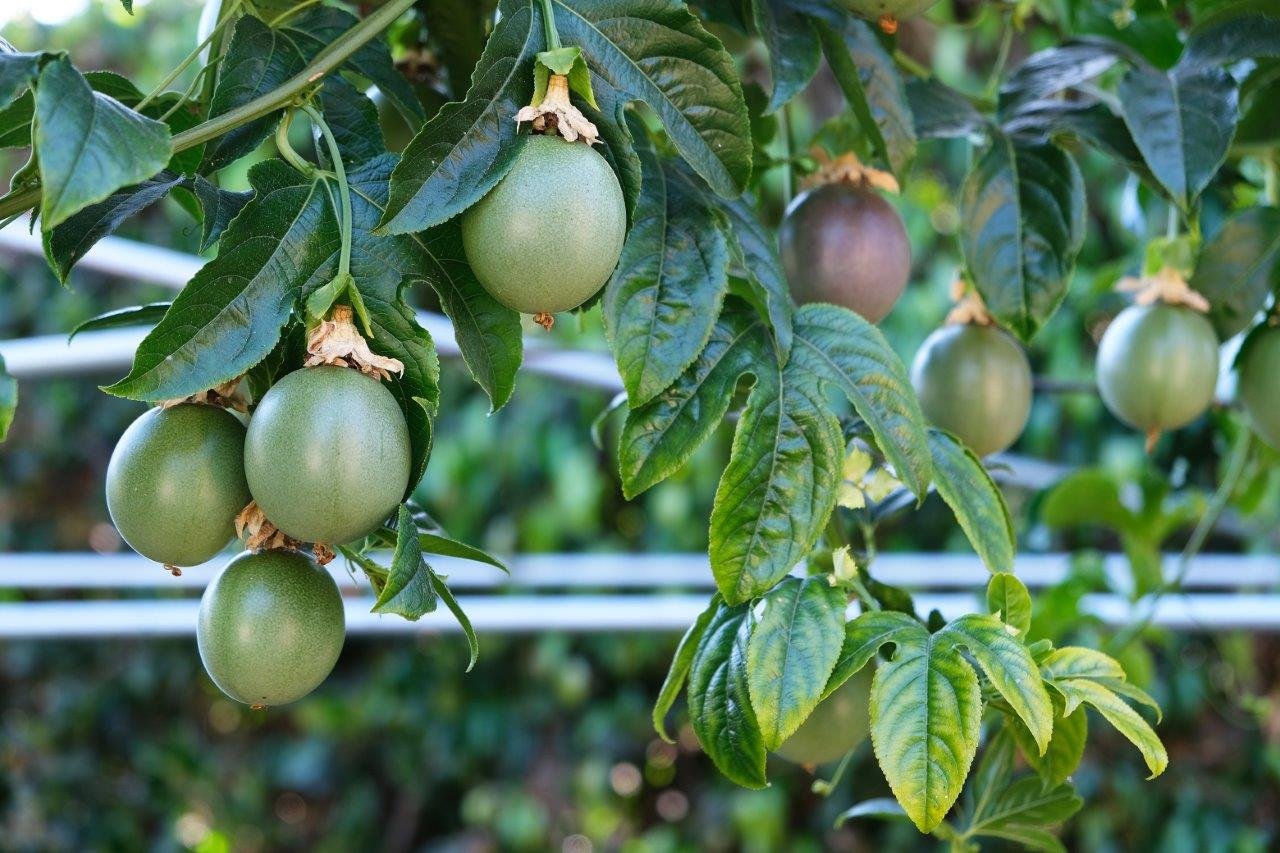
Passionfruit Black Beauty
Who doesn’t like a nice juicy homegrown passionfruit. If you have a sunny fence, wall or pergola its the perfect spot for a Passionfruit to thrive. In addition to the juicy fruit passionfruit also has an attractive flower, 5-8cm across, white and purple, and formed on the new season’s growth. The flowers only open for one day (pollinated by insects), with the best fruit set happening on warm days. The Egg-shaped fruit, 4-7.5cm, is green and turning to dark purple at what point it is ready for harvesting (January to June).
Planting is best done in October -December, after some spring sunshine and the soil starts to warm up a little.
Grow your own Passionfruit so that you can enjoy the fresh juicy flavour or add to fruit salads, ice creams, yoghurts and cake fillings.

Incredible Experts
Hang out with our experts for a few home-grown tips and tricks.


Home-grown delicious
Food brings people together and takes pride-of-place in many of our most important celebrations – and those special moments taste even better when the ingredients are picked fresh from your own garden. So whether your vision is a rustic cheese platter with home-grown fig chutney, or adding a fresh twist to Nana’s famous pikelets - we’re here to help you bring that dream to life.
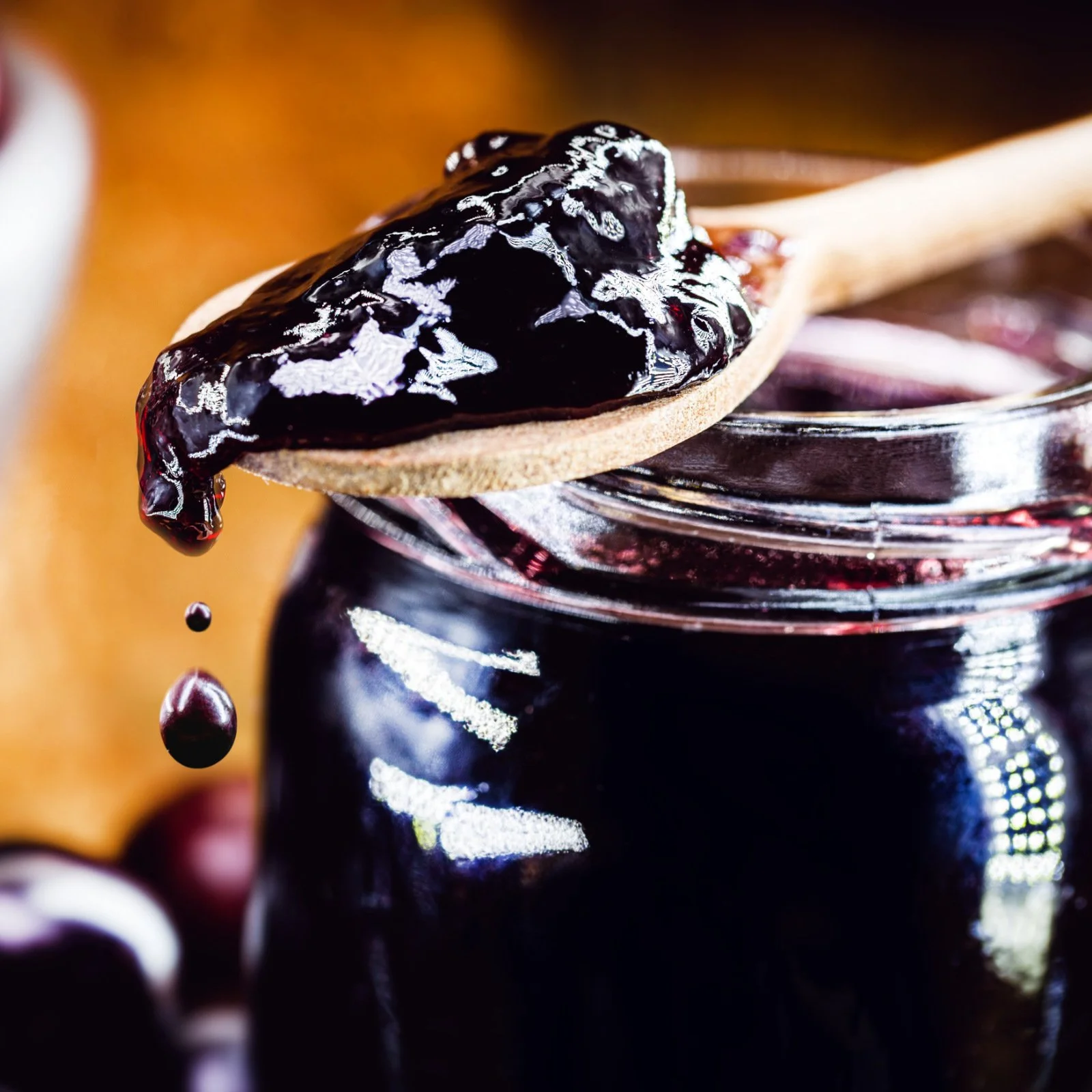






The passionfruit flower is an attraction, 5-8cm across, white and purple, and formed on the new season’s growth. The flowers only open for one day (pollinated by insects), with the best fruit set happening on warm days. The Egg-shaped fruit, 4-7.5cm, is green and turning to dark purple at what point it is ready for harvesting (February to June).
Have lots and lots of passionfruit and like a good home-made Honey, this is our recipe Passionfruit Honey.
Passionfruit is a vigorous climber with tendrils and deeply lobed green leaves. Although evergreen, some leaves will fall off during winter-early spring in colder environments or if the plant is under stress (for example, waterlogged). The life expectancy of a Passionfruit is between 4-7 years.
Passionfruit enjoy lots of fertiliser; a balanced NPK fertiliser is required in spring, early summer, and autumn.
Pruning, fruit is formed on the current season’s wood, prune in early spring to encourage new growth. Prune hard one lateral annually. Train the vine up a fence or wall, removing all laterals until it reaches the height you require, then pinch out the top. Pruning establishes the framework of leaders from which laterals can grow. Cutting out some denser growth allows better air circulation and fruit development the following season. In addition, it will help with insect and disease prevention. Apply copper spray to prevent fungal diseases and spray with an organic insecticide if insects become problematic.
Passiflora edulis ‘Black Beauty’