

Cherimoyas
-
Landscaping
Cherimoyas are an underrated tree mainly due to their obscurity. Cherimoya is a small tree and can look stunning in a large container. It is well suited to be espaliered along a fence or wall. Great for the smaller, reasonably protected sunny garden or large courtyard. It lends itself to being trimmed into various shapes (for example, a vase or pyramid shape).
-
Culinary & Nutrition
Cherimoyas are rich in sugars and protein. They are also a good source of vitamins B6 and C. Serve chilled slices as fresh fruit. The pulp can be used in fruit salads, ice cream, sorbets and milkshakes. Cherimoya fruit is a creamy white flesh very juicy, which is soft, delicate and has the taste and consistency of custard.
-
Growing Conditions
Cherimoyas require free-draining soil, protection from wind and a sunny position. It will be briefly deciduous before new leaves arrive. Once mature, it will survive minor frosts. Pruning is to maintain the shape or to remove weak or damaged growth.
Incredible Cherimoya Varieties

Get inspired by homegrown deliciousness




Incredible Experts
Hang out with our experts for a few home-grown tips and tricks.


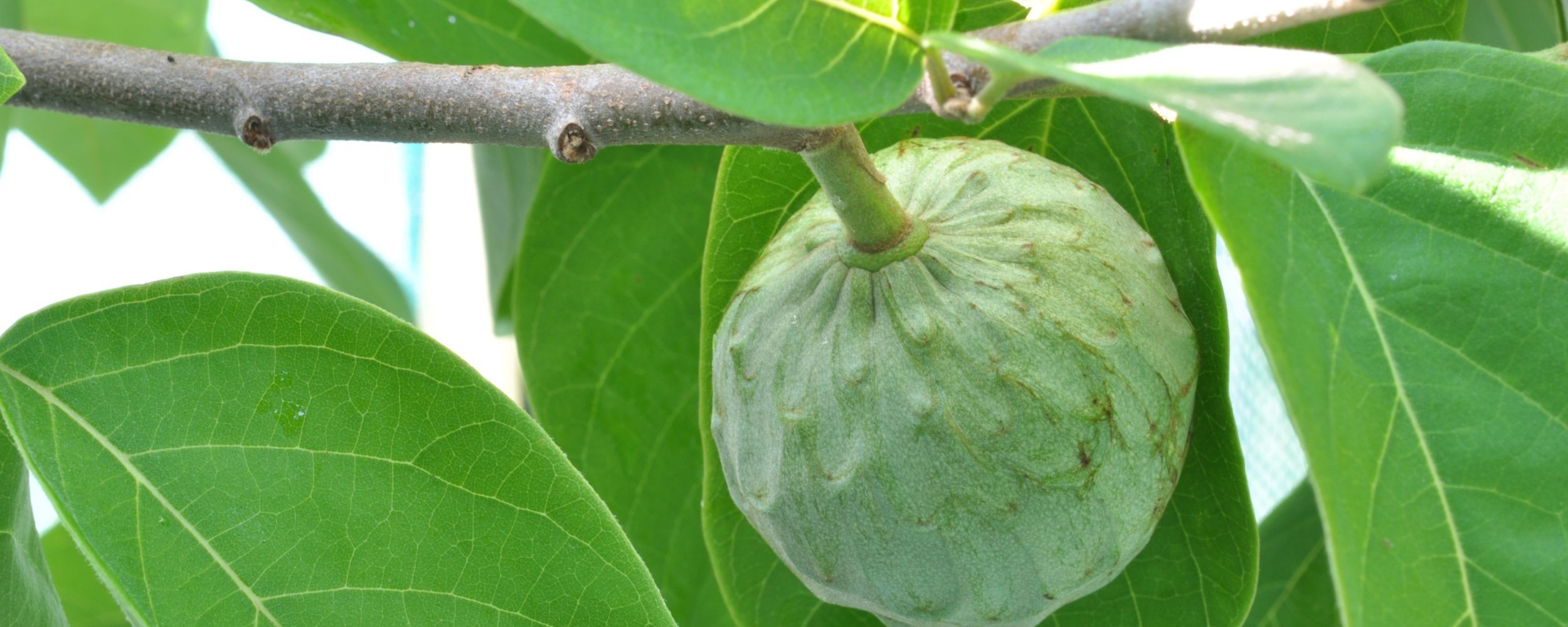
Cherimoya Bayes is a small upright tree approximately 5m high. The large leaves (20cm in length) are olive-green and oval. The underside of the leave is soft and velvety. The green nondescript winged flowers are fragrant, followed by moderate green round fruit with smooth skin. The creamy white juicy flesh is soft, delicate and has the taste and consistency of custard, sweet with an excellent lemony flavour. The fruit has a delightful fruity fragrance. The flesh is smooth, with slight grittiness near the skin.
To increase fruit set, hand pollination is beneficial. Hand pollination is very simple to achieve. With a small artist paintbrush, remove the pollen and anthers (little flower stalks within the flower) from wide open flowers mid-afternoon and collect them in a small container. During the late afternoon, apply to flowers just opening by removing one petal and brushing the pollen in and around the ovary (conical shape at the base of the flower). The removed petal now marks the flower has been pollinated.
Harvest is from September to November, when the fruit turns a lighter green but is still firm. Ripen fruit at room temperature and is ready to eat when it develops its fragrance and softens just a little to the touch.
Prune at the end of winter to maintain shape, apply a good mulch and fertilise with a fertiliser high in potassium over spring and autumn.
Annona cherimola ‘Bayes’