

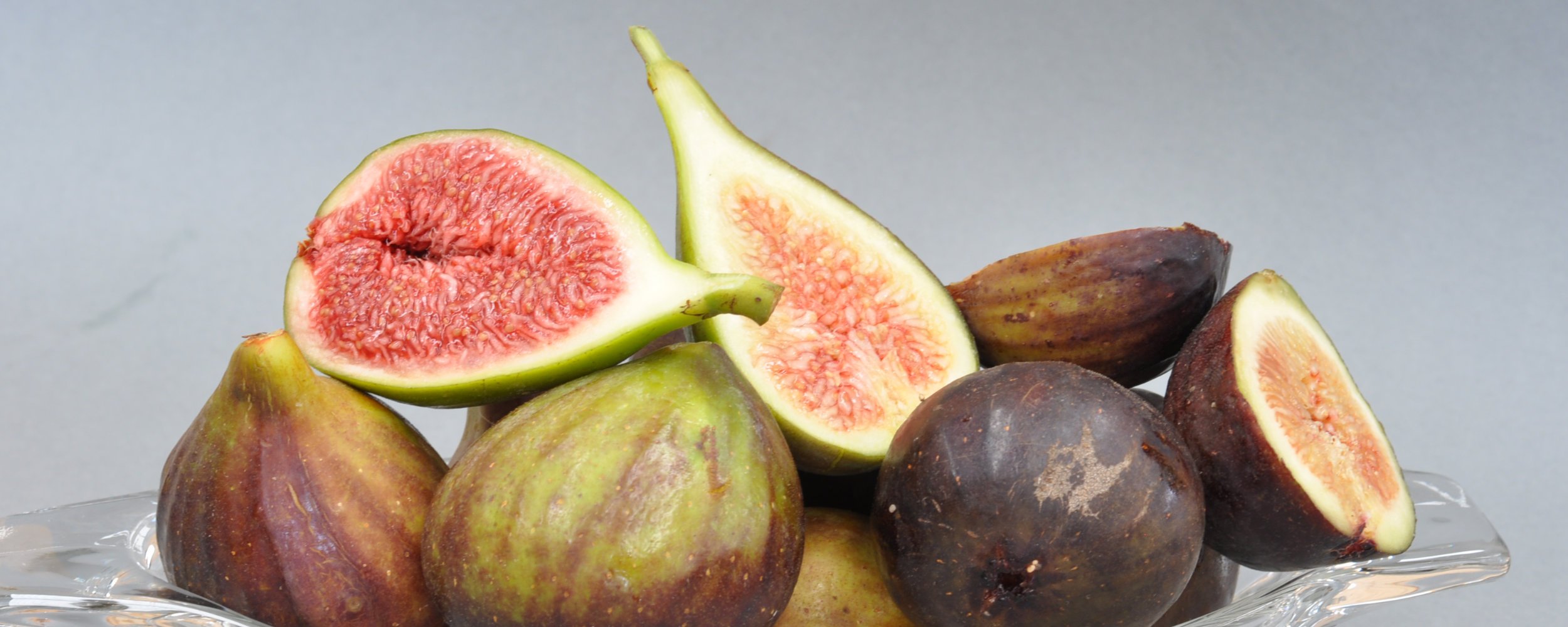
Figs
-
Landscaping
Figs are very versatile due to their ability to be pruned heavily. This makes them ideal for a large container and a smaller garden. For this reason, it also makes them an excellent plant for espaliering. All you need is a warm sunny wall or fence. You can grow and harvest figs from January to May with our wide range. See our incredible experts page for helpful hints on pruning your Figs.
-
Culinary & Nutrition
Figs are known to be ‘gut friendly’ due to Figs containing an enzyme called ficin which helps in soothing your gut. Dried, they are a rich source of fibre, iron, potassium and calcium. High in polyphenol antioxidants which makes them a valuable food for cancer prevention. Provide instant energy, and their ability to prevent cramps makes them popular with athletes. They are eaten raw, whole or peeled. Used in desserts, jams, biscuits, pies, cakes and savoury dishes.
-
Growing Conditions
Figs like a warm North to North-East position, with plenty of moisture during the growing season to produce large succulent fruit. They grow in well-drained soils as well as in heavy clay soils. Can be vigorous growers, but Figs tolerate heavy pruning. (See our incredible inspiration page for helpful hints on pruning figs). Protect figs from heavy winds. Limit fertiliser applications to container-grown figs only (or very poor soils). Spray with a copper spray in winter to keep diseases at bay.
Incredible Fig Varieties
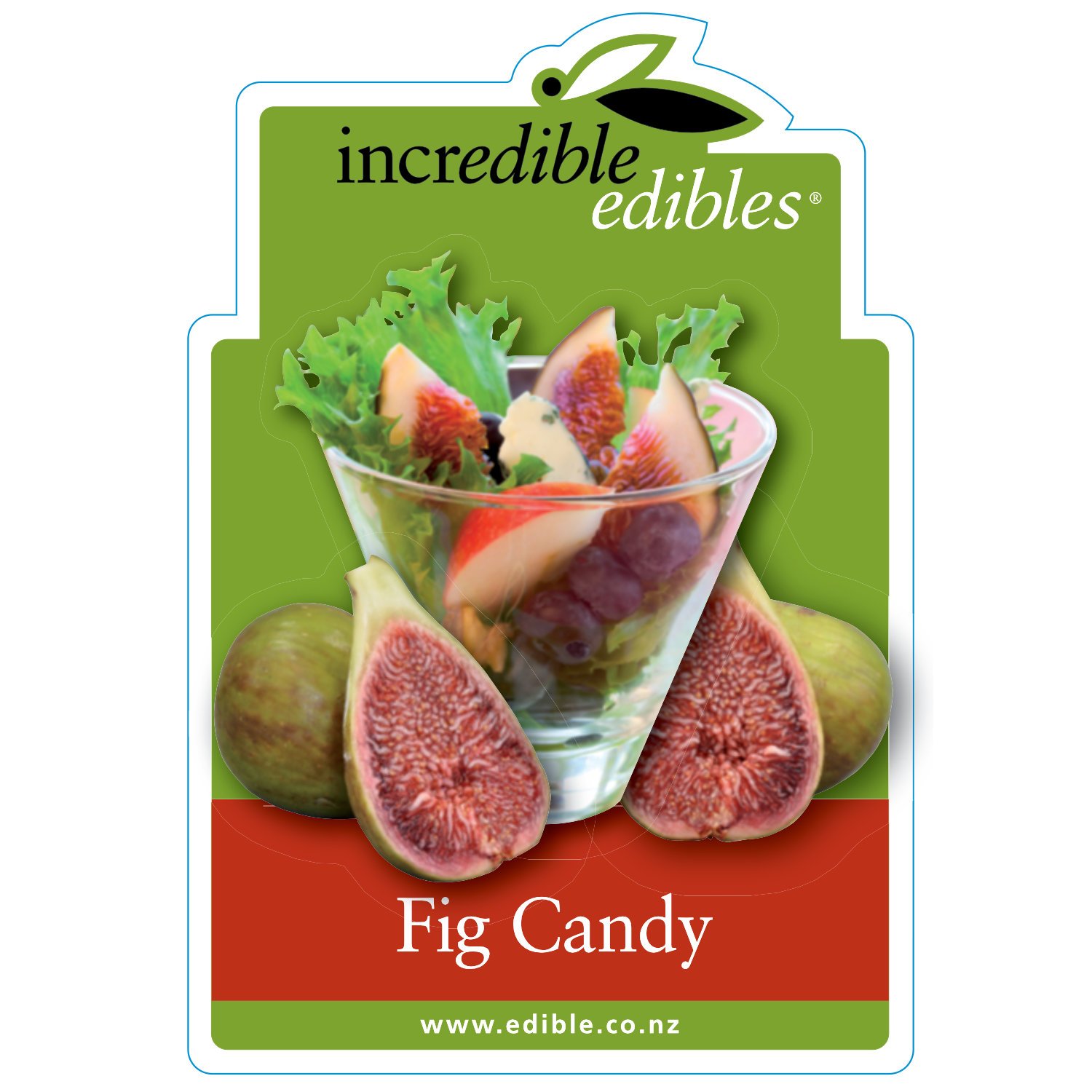
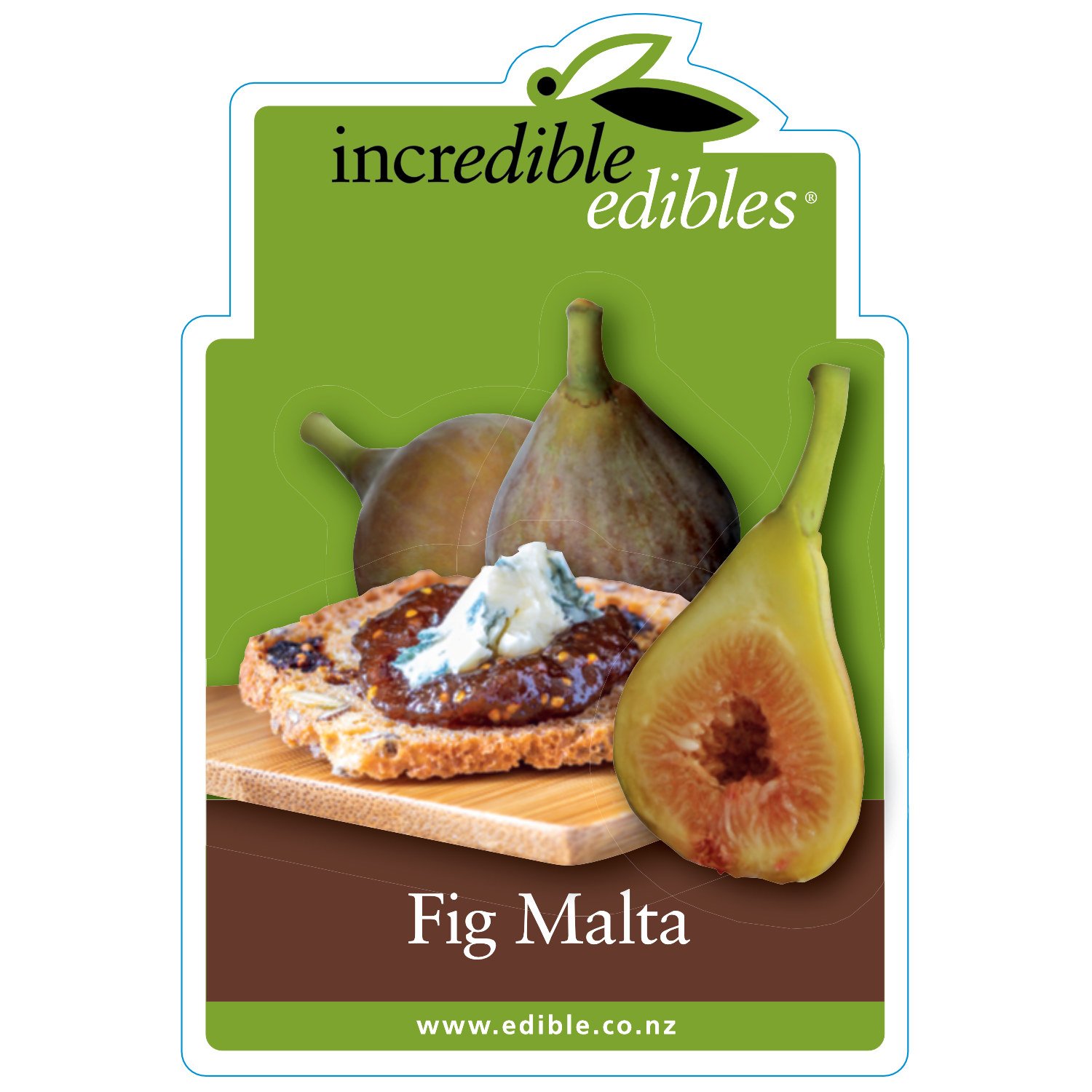

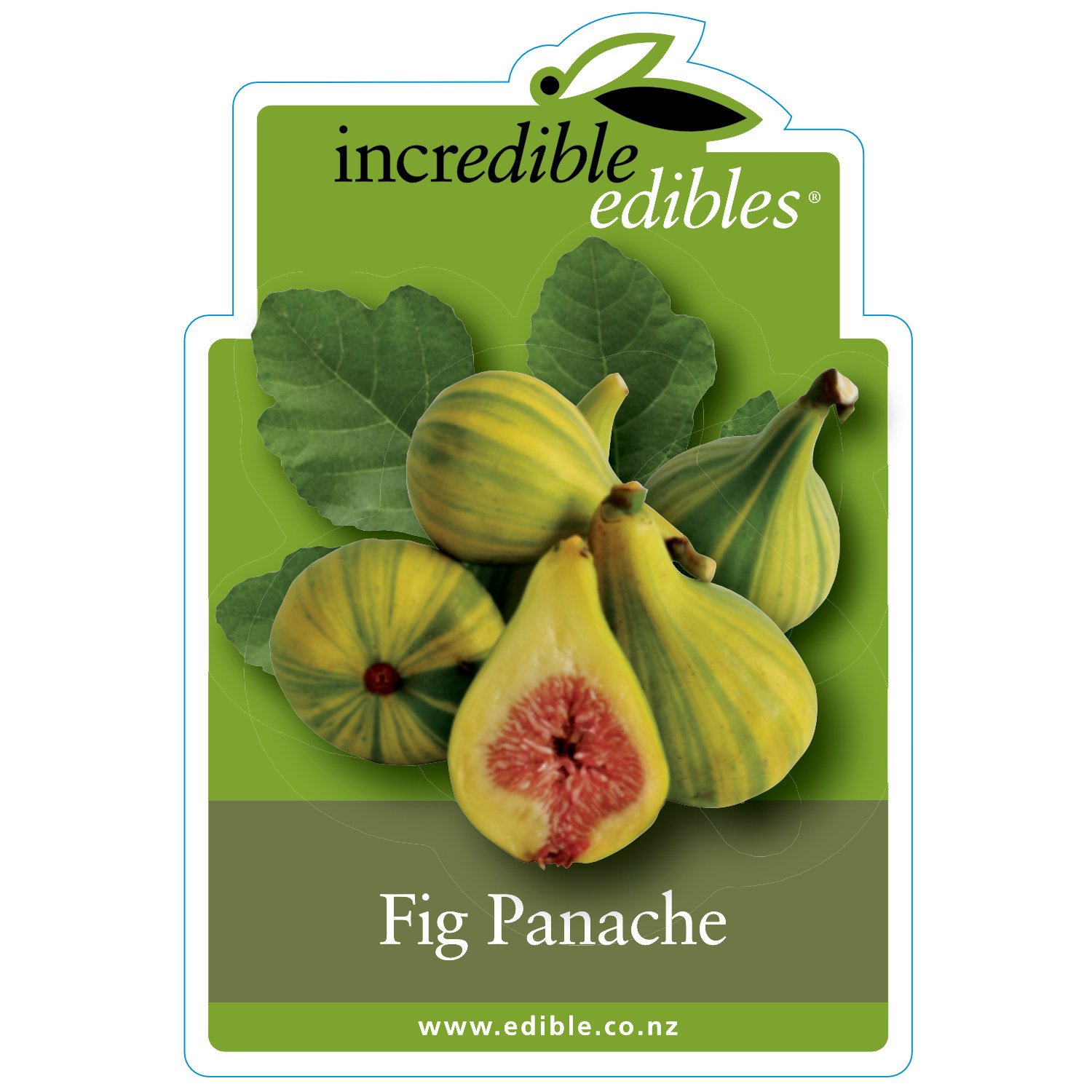

Get inspired by homegrown deliciousness






Incredible Experts
Hang out with our experts for a few home-grown tips and tricks.


Fig Brunoro Black fruit has purple to black skin with red flesh and has a very sweet, rich flavour. Brunoro Black has small to medium pear-shaped fruit. Fruit is ready for harvesting when fruit starts to fall (March -April).
Figs are one of the healthiest fruits in the world. They are high in dietary fibre and contain more potassium than bananas and more calcium than milk. Figs are virtually fat-free and have no cholesterol.
Like Poached figs with mascarpone? Get the recipe.
Fig Trees can produce a breba crop (a second crop). A Breba crop develops on old wood during spring after the leaves emerge. The branches bearing the Breba crop are from the previous year’s main fig crop produced in late summer-autumn.
Figs are often referred to as a fruit, though it’s a group of tiny flowers growing inside an edible shell. All figs are frost tolerant and can be pruned hard to keep desired shape and size or can be left to grow for kids to climb in. Early fruit is formed on last season wood, with autumn fruit formed on new seasons fruit.
Check our expert advice page on Pruning your fig to get the most out of your fig.
Ficus Carica ‘Brunoro Black’