
Raspberries
-
Landscaping
Raspberries are often used as an edible screen, supported by a fence, trellis, or wire system. A simple teepee or pyramid system of 3-5 straight canes is effective. In addition, there also is a dwarf variety (Mini-Me™) that is great for container growing.
-
Culinary & Nutrition
With the delicate unique flavour that Raspberries have, they are a delight to eat straight from the plant, any that haven’t been eaten…!! can be used in smoothies, jam, desserts and in sauces. They are high in antioxidants, fibre, vitamin C and folate.
-
Growing Conditions
Raspberries prefer an open sunny position, if possible, protect from the afternoon sun. Exposure to wind is fine, although will not tolerate salt. Chilling hours are required; if you can grow an apple, you can grow Raspberries. Plant in rich soil with good drainage and use a good mulch. Prune out dead and old fruited canes.
Incredible Raspberry Varieties
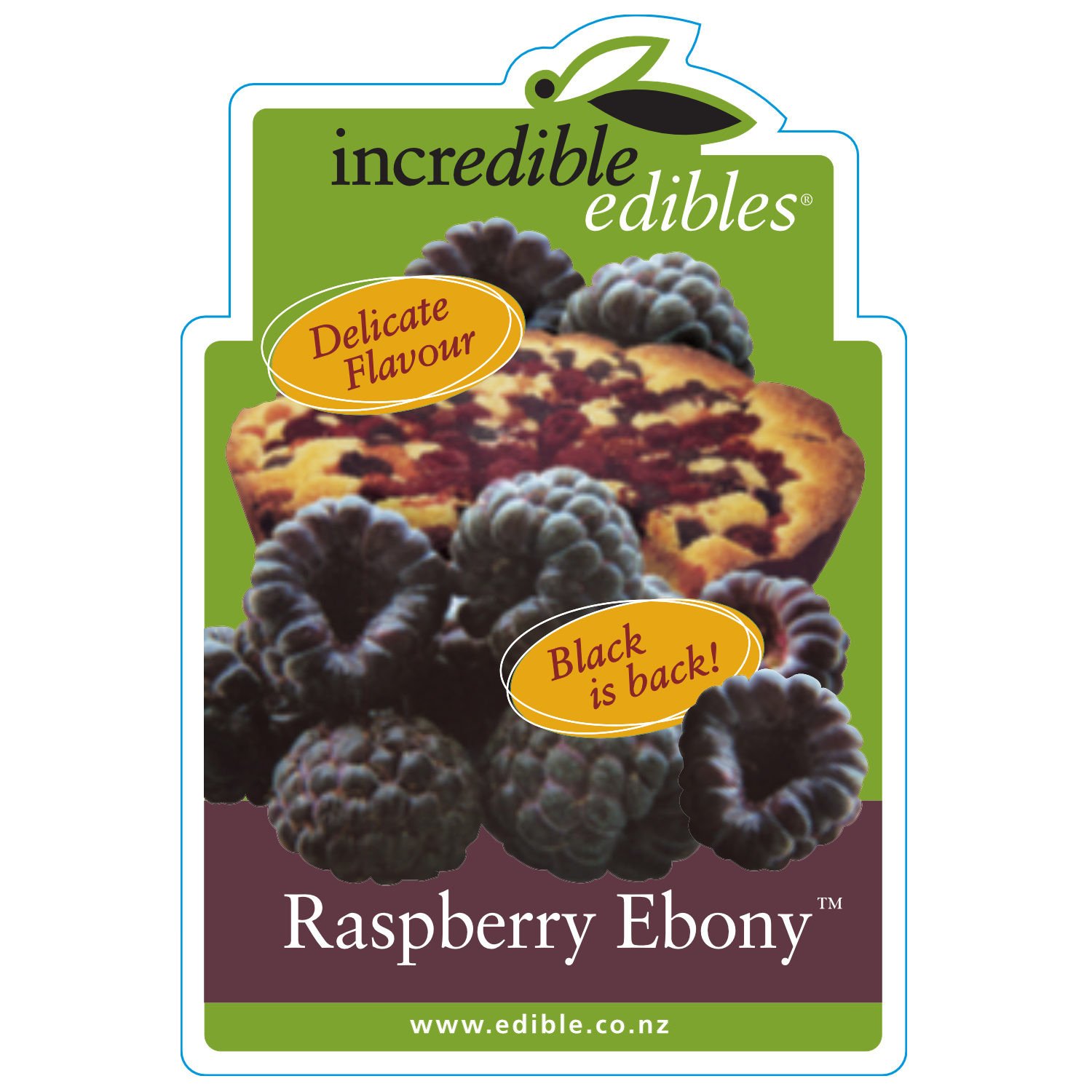
Raspberry Ebony™ has small firm rosette of dark black berries with an excellent flavour. They are covered with rose-type leaves. Small white flowers are followed by luscious, sweet, delicate fruit. Vigorous and productive plant, with 1m to 2m high cascading purple/black canes with no spines, requiring attaching to wires or fence for support. Harvesting from December to February, the berries are easily removed when ripe.
Raspberries are a top antioxidant food, high in fibre, vitamin C and folate.
Check out our Berry Coulis recipe inspiration page, to lift your ice cream, cheesecake or yoghurt to the next level.
Prune out dead, old and fruited canes in winter so 10 - 12 strong canes are left per plant. All Raspberries like a soil rich in organic matter with good drainage essential. Roots are close to the surface, so will benefit from mulching with organic matter and regular watering during dry periods. Apply general fertiliser in spring. Spray with organic copper and an organic oil spray in winter and at bud burst to help prevent insect and fungal diseases.
Produced and Marketed by Tharfield Nursery Ltd in association with Plant & Food Research. Raspberry Ebony™ (‘Rubus idaeus Hortberry1’) is protected under the New Zealand Plant Variety Act 1987.
Rubus idaeus ‘Hortberry1’ PVR
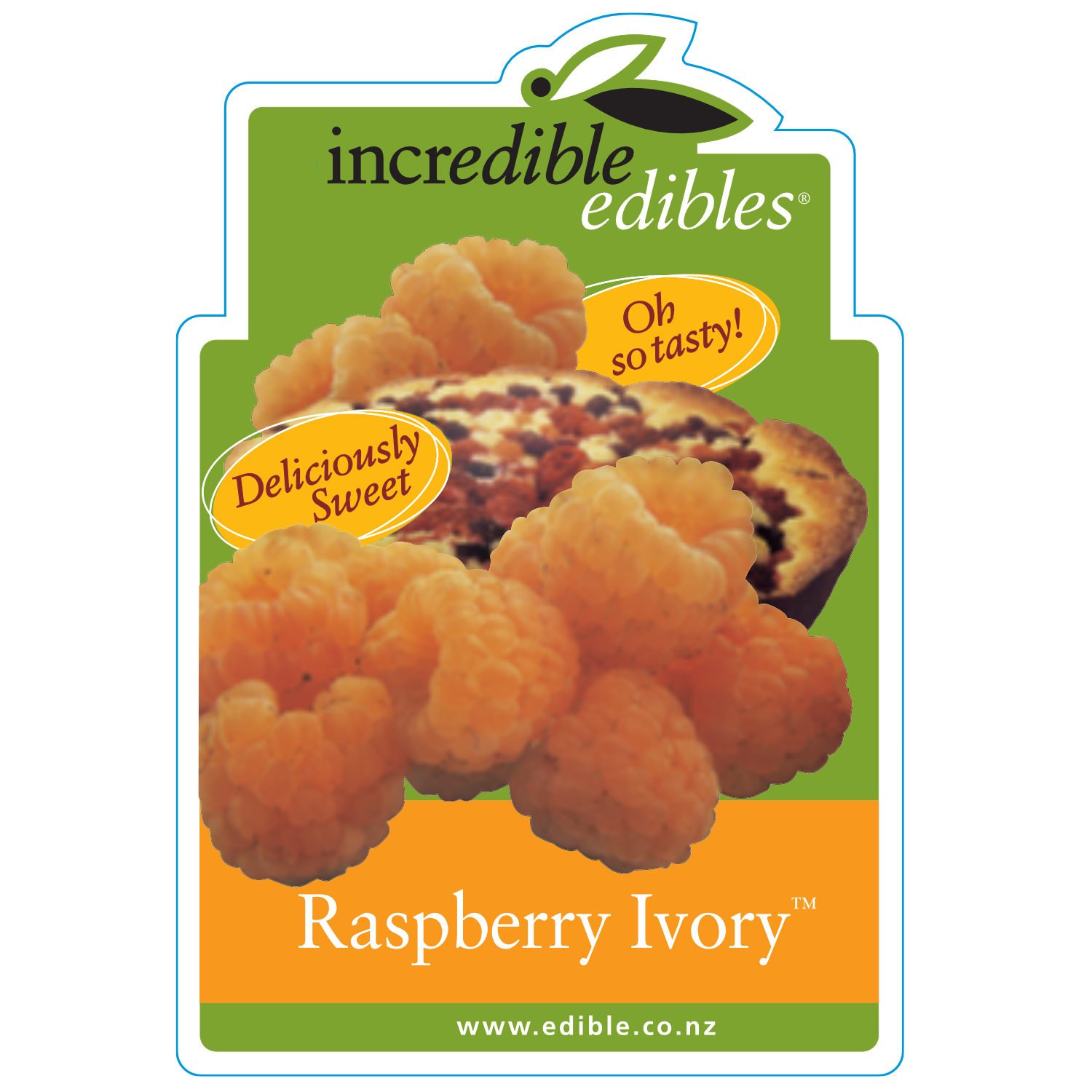
Raspberry Ivory™ has yellow-golden medium firm fruit with an excellent flavour. They are covered with rose-type leaves. Small white flowers are followed by luscious, sweet, delicate fruit. Vigorous and productive plant, which spreads fast and is one of the easiest of all to grow. Yellow raspberries are variations of red raspberries and, except for fruit colour, have all the characteristics of red raspberries. Harvesting from December to April, with the main crop in February and March. The berries are easily removed when ripe. Canes are vigorous, with a high number of strong upright canes. Dormant canes are dark brown with few spines.
Raspberries are a top antioxidant food, high in fibre, vitamin C and folate.
Check out our Berry Coulis recipe inspiration page, to lift your ice cream, cheesecake or yoghurt to the next level.
Prune out dead, old and fruited canes in winter so 10 - 12 strong canes are left per plant. All Raspberries like a soil rich in organic matter with good drainage essential. Roots are close to the surface, so will benefit from mulching with organic matter and regular watering during dry periods. Apply general fertiliser in spring. Spray with organic copper and an organic oil spray in winter and at bud burst to help prevent insect and fungal diseases.
Rubus idaeus ‘Kiwi Gold’
Raspberry Mini-Me™ is a dwarf raspberry with a round compact habit and is thornless. No staking or support is required. A full-sized light red juicy berry with a sweet raspberry flavour. Ideal for containers on the deck or patio. Harvest is in December -January.
Raspberries are a top antioxidant food, high in fibre, vitamin C and folate.
Check out our Berry Coulis recipe inspiration page, to lift your ice cream, cheesecake or yoghurt to the next level.
In early spring, new sprouts will begin to develop from the soil; new growth should also appear on pre-existing canes (stems). Make sure to leave all new growth intact, whether growing from the ground or on existing stems. The new canes that sprout from the ground will not fruit until next year. On the other hand, the old canes should produce berries this summer. Removing these now would mean no fruit this year! It would be best to cut off only any truly dead stems that show no signs of new growth after the rest of the bush has leafed out. Dead canes can be removed at ground level.
All Raspberries like soil rich in organic matter with good drainage. Roots are close to the surface, so will benefit from mulching with organic matter and regular watering during dry periods. Apply general fertiliser in spring. Spray with organic copper and an organic oil spray in winter and at bud burst to help prevent insect and fungal diseases.
Produced and Marketed by Tharfield Nursery Ltd in association with Plant & Food Research. Raspberry Mini-Me™ (‘Rubus idaeus NR7’) is protected under the New Zealand Plant Variety Act 1987.
Rubus idaeus ‘NR7’ PVR
Raspberry Tulameen has very large, firm, glossy red conical fruit with an excellent delicious flavour. They are covered with rose-type leaves. Small white flowers are followed by luscious, sweet, delicate fruit. Vigorous and productive plant, which spreads fast and is one of the easiest of all to grow. Harvest is in mid-summer, when the berries are easily removed when ripe. Canes are vigorous, with many strong upright canes; these are semi-thornless.
Raspberries are a top antioxidant food, high in fibre, vitamin C and folate.
Check out our Berry Coulis recipe inspiration page, to lift your ice cream, cheesecake or yoghurt to the next level.
Prune out dead, old and fruited canes in winter so 10 - 12 strong canes are left per plant. All Raspberries like a soil rich in organic matter with good drainage essential. Roots are close to the surface, so will benefit from mulching with organic matter and regular watering during dry periods. Apply general fertiliser in spring. Spray with organic copper and an organic oil spray in winter and at bud burst to help prevent insect and fungal diseases.
Rubus idaeus sp Tulameen
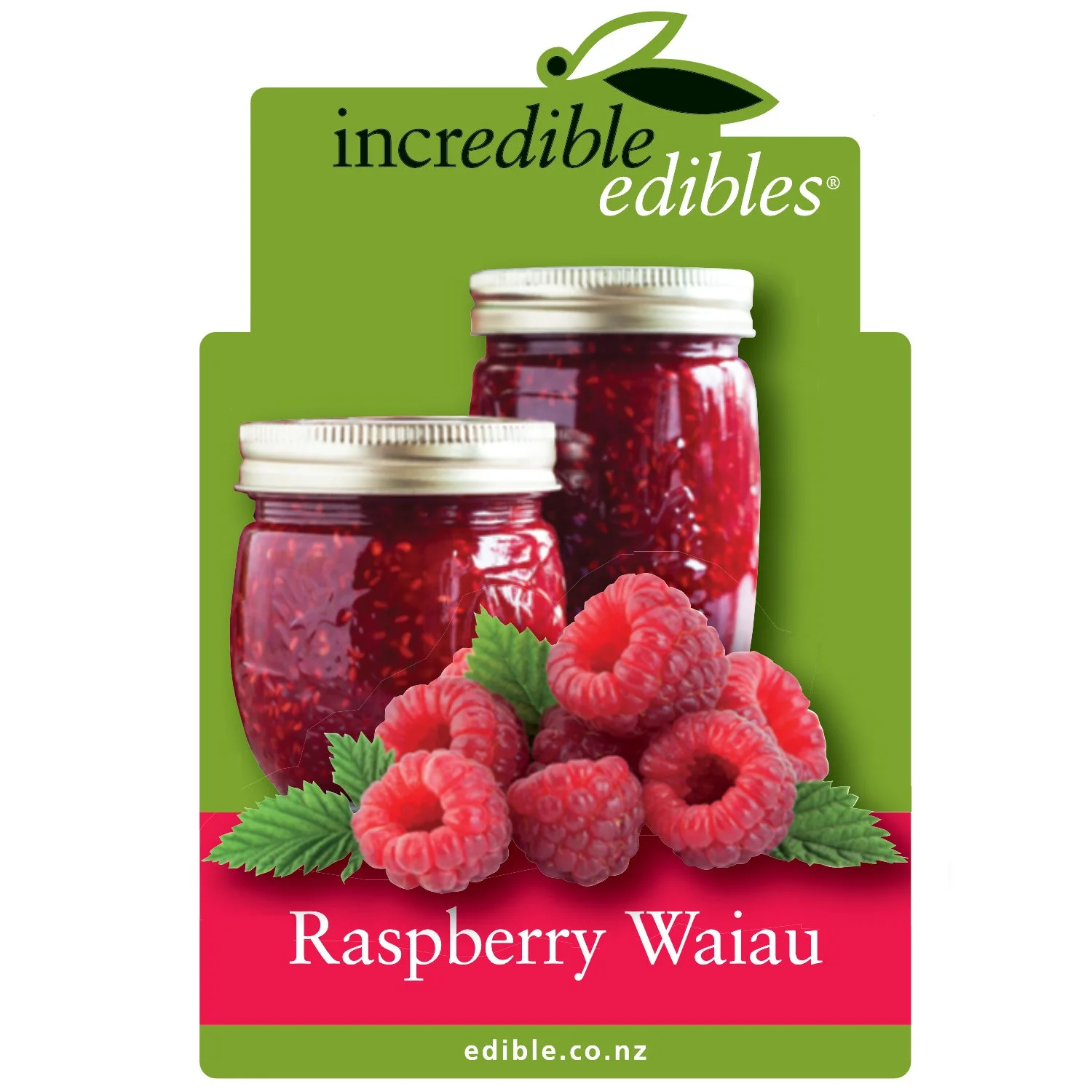
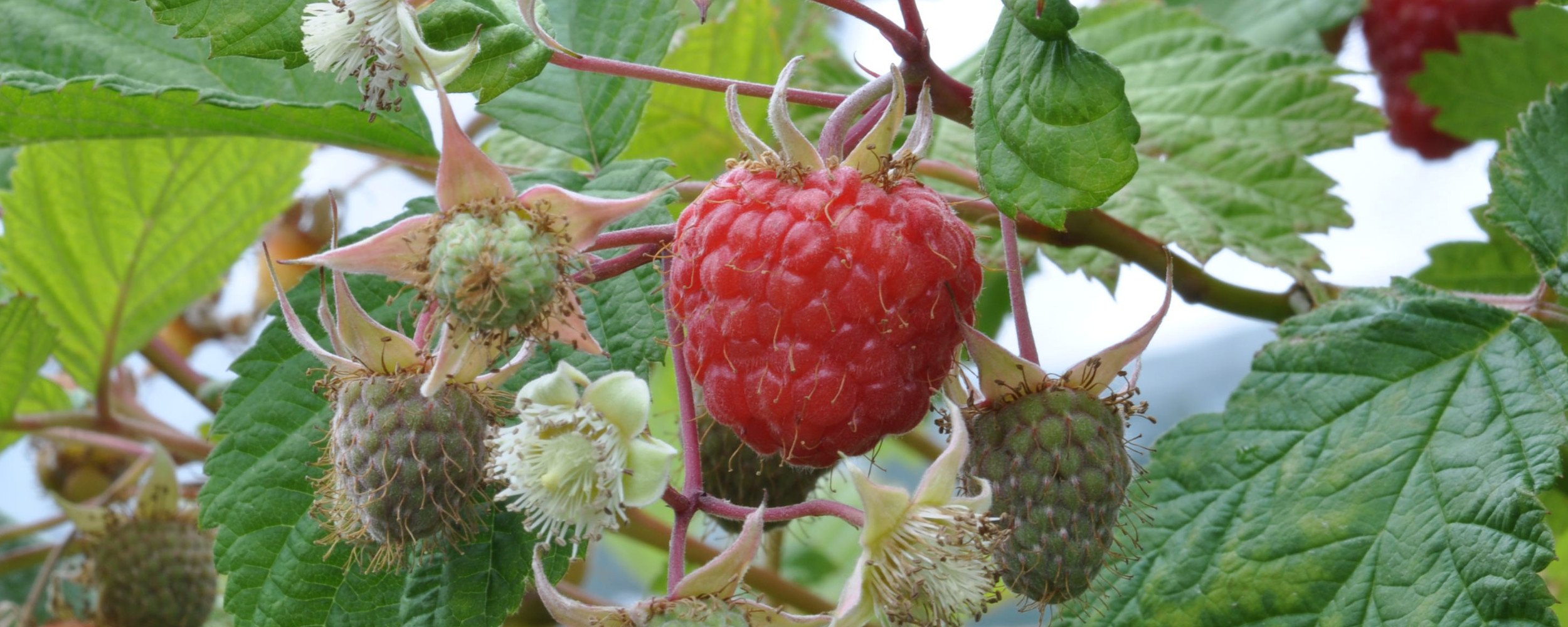
Raspberry Waiau has large light to medium red fruit with an excellent flavour. It is covered with rose-type leaves. Small white flowers that are followed by luscious, sweet, delicate fruit. Vigorous and productive plant, with many semi-upright canes that must be attached to wire or fence for support. Dormant canes are light brown with soft spines. Harvest all summer long; the berries are easily removed when ripe.
Raspberries are a top antioxidant food, high in fibre, vitamin C and folate.
Check out our Berry Coulis recipe inspiration page, to lift your ice cream, cheesecake or yoghurt to the next level.
Prune out dead, old and fruited canes in winter so 10 - 12 strong canes are left per plant. All Raspberries like a soil rich in organic matter with good drainage essential. Roots are close to the surface, so will benefit from mulching with organic matter and regular watering during dry periods. Apply general fertiliser in spring. Spray with organic copper and an organic oil spray in winter and at bud burst to help prevent insect and fungal diseases.
Rubus idaeus ‘Waiau’
Get inspired by homegrown deliciousness
Incredible Experts
Hang out with our experts for a few home-grown tips and tricks.


Raspberry Aspiring has a large dark red conical firm fruit with an excellent flavour. This raspberry is a dual cropper meaning that as well as fruiting in summer, it will also fruit in autumn. (Autumn crop produced on top 10-20 buds of new canes). This divine raspberry grows as a bramble on upright canes. They are covered with rose-type leaves. Small white flowers are followed by luscious, sweet, delicate fruit. Vigorous and productive plant, which spreads fast and is one of the easiest of all to grow. Produces a high number of strong upright canes. Dormant canes are dark brown with few spines.
Raspberries are a top antioxidant food, high in fibre, vitamin C and folate.
Check out our Berry Coulis recipe inspiration page, to lift your ice cream, cheesecake or yoghurt to the next level.
Prune out dead, old and fruited canes in winter so 10 - 12 strong canes are left per plant. All Raspberries like a soil rich in organic matter with good drainage essential. Roots are close to the surface, so will benefit from mulching with organic matter and regular watering during dry periods. Apply general fertiliser in spring. Spray with organic copper and an organic oil spray in winter and at bud burst to help prevent insect and fungal diseases.
Produced and Marketed by Tharfield Nursery Ltd in association with Plant & Food Research. Raspberry Aspiring™ (‘Rubus idaeus ‘Aspiring’) is protected under the New Zealand Plant Variety Act 1987.
Rubus idaeus ‘Aspiring’ PVR