

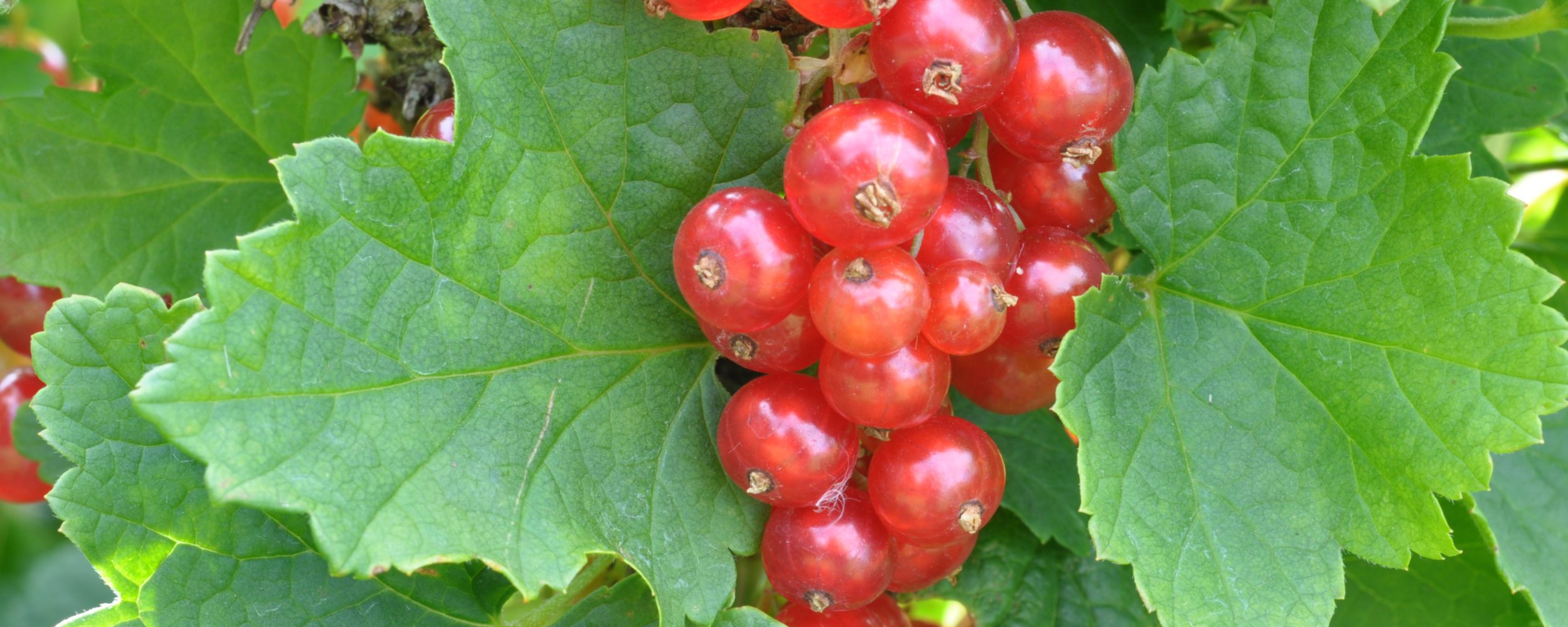
Currants
-
Landscaping
Currants can be grown as a free-standing bush or used as a hedge. Grown in the shade of other trees on the south side of buildings and are easily squeezed into small gardens. The uniqueness of having black, red or white berries can create a unique feature in any garden.
-
Culinary & Nutrition
Red and white Currants are rich in Vitamin C and contain traces of Vitamin B, Iron and Phosphorus. Black currants, in addition to Vitamin C, also provide Vitamin E, carotenes and potassium. Black currant seed oil is a rich source of gamma-linolenic acid, a rare essential fatty acid. Check the individual variety pages for more culinary information.
-
Growing Conditions
Currants prefer protection from the hot afternoon sun but love the morning sun. A cool, moist location on the southern side of your garden is ideal. Soil condition similar to Blueberries and Rhododendrons. An annual application in the spring of Citrus fertiliser is all that is required. See individual variety pages for pruning information.
Incredible Currant Varieties
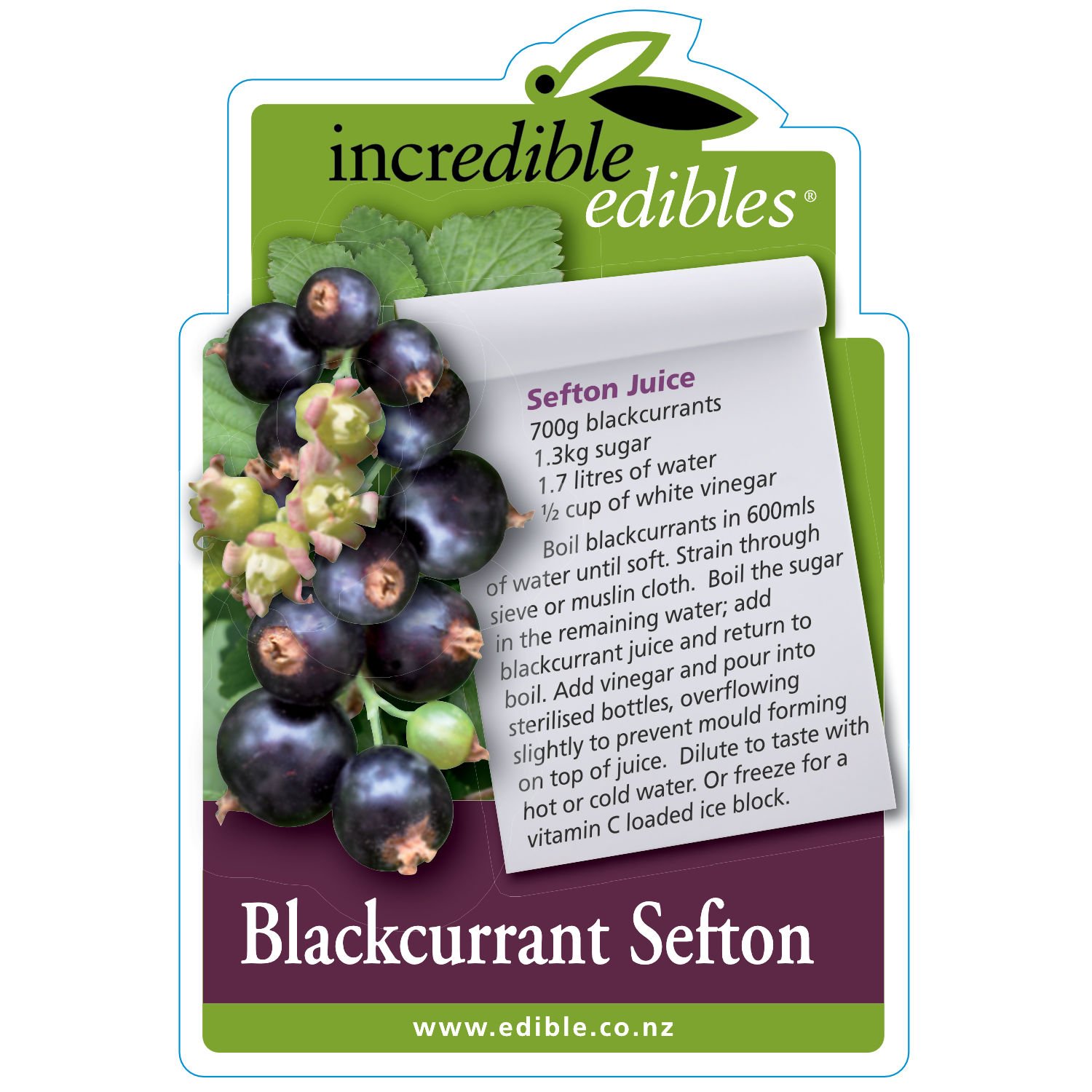
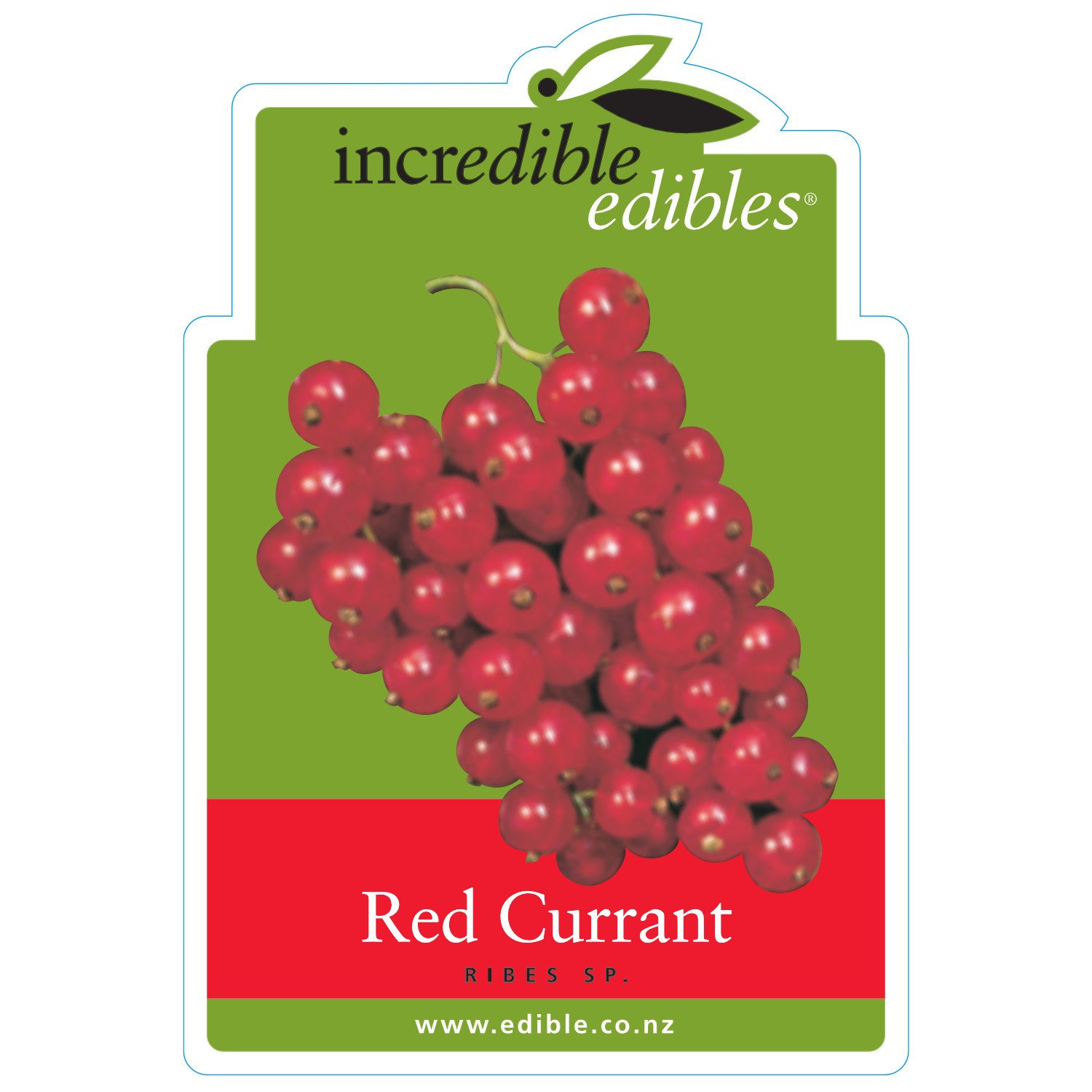

Get inspired by homegrown deliciousness





Incredible Experts
Hang out with our experts for a few home-grown tips and tricks.


Currants can be grown as a free-standing bush or hedge. Grown in the shade of other trees or on the south side of buildings and are easily squeezed into a small garden. Protect from the hot afternoon sun. Although a plant requires a winter chill, Auckland provides enough chilling hours to achieve this.
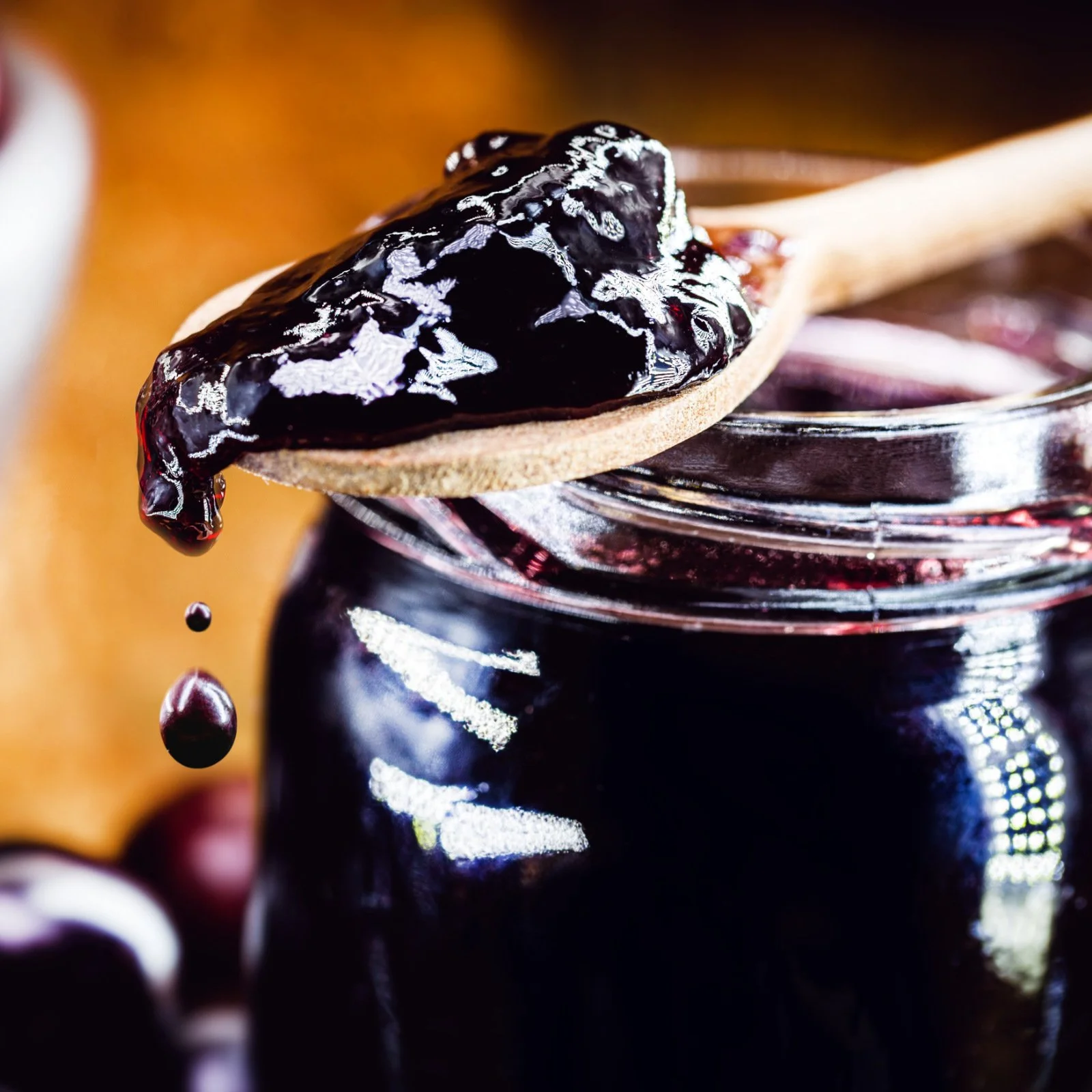
Soft green leaves, when crushed, have a strong currant flavour. Shiny black round juicy berries can be picked during December and January. Currant Magnus has a tart, sharp taste, although sweeter when fully ripe. Eat fresh or freeze whole, make into jelly, jam, juice or add to ice cream, cordial and liqueur. In Russia, infusing slightly sweetened vodka with blackcurrant leaves is common, making a dark yellowish-green beverage with a sharp flavour and astringent taste. Blackcurrant berries can also be used to flavour vodka.
After planting:
Prune young bushes back to two buds above the ground and allow them to grow, then do not prune for two seasons.
After two seasons, prune to maintain size by removing old stems to a new low bud, removing at least 1/3 of the old cane.
Aim to have 8-10 shoots per bush.
Each cane should be in place for at most three years. Encourage as much young wood as possible by cutting old wood to new buds in winter.
Ribes nigrum Magnus