

Ice Cream Bean
-
Landscaping
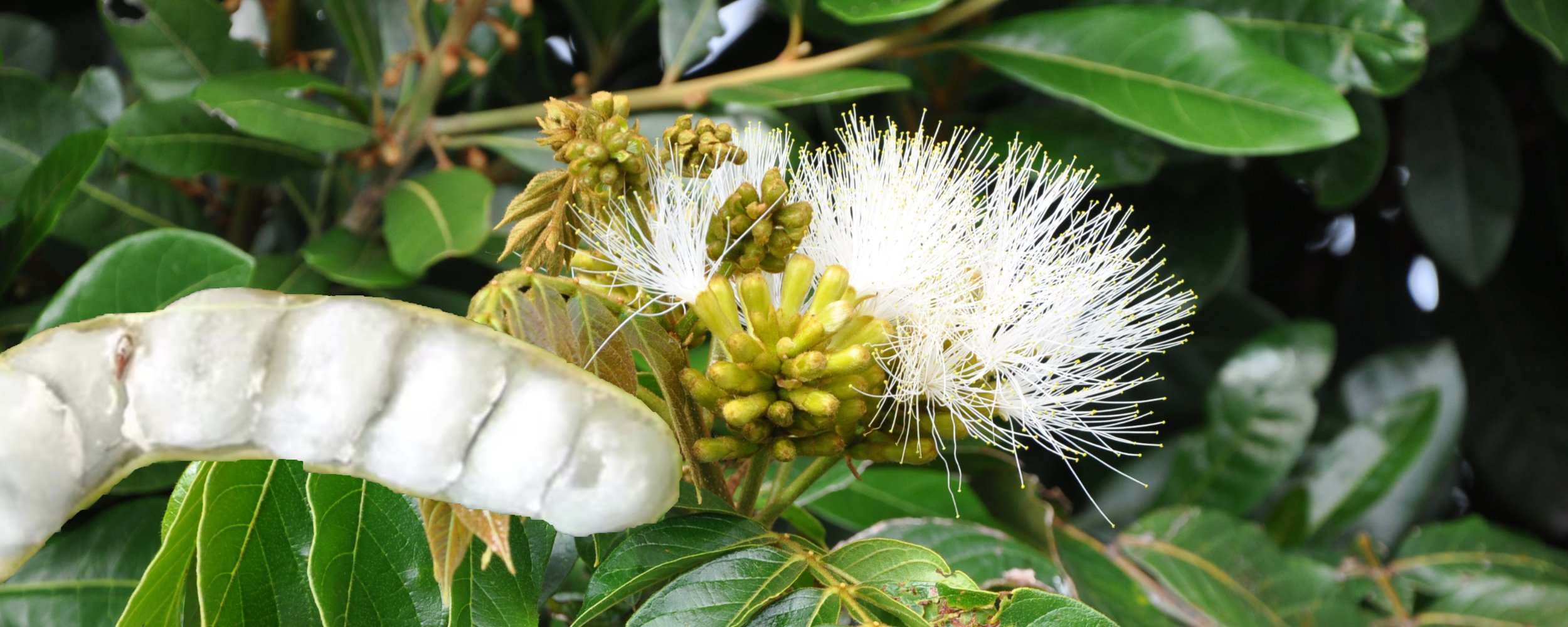
This attractive tree creates a dappled shade or an interesting background tree with rich dark green and bronze-coloured fern-like foliage. It will grow to approximately 6-8 meters. The pods can grow up to 1 metre long.
-
Culinary & Nutrition
Ice Cream beans are a good source of calcium, phosphorous, fibre, and vitamin C. When cooked, Ice Cream beans contain some protein. It is also believed they help stimulate digestion, relieve stomach irritations and act as an anti-inflammatory.
-
Growing Conditions
For best fruiting conditions, they prefer full sun but will tolerate semi-shade. Prefers a sheltered position and will tolerate a little salt. Most suitable to warm temperate climates (can tolerate a brief frost). It produces its own nitrogen, and fertiliser is not required.
Incredible Ice Cream Bean

Get inspired by homegrown deliciousness






Incredible Experts
Hang out with our experts for a few home-grown tips and tricks.


Ice Cream Bean (Inga Bean) plants are part of the legume family, which means they have nitrogen-fixing bacteria that form nodules on the plant's roots, providing the plant with nitrogen. An attractive medium-sized tree that provides dappled shade or a beautiful background tree with dark green leaves. The foliage has a reddish bronze colour when young. The tree can drop its leaves in winter, depending on the climate. Fragrant white spikey fluffy flowers in spring and summer.
The fruit pods are brown, roughly hairy and become dry as they ripen. They can grow up to 1 metre long and contain sweet, juicy candy floss with a soft cotton wool texture and the taste of vanilla ice cream. A delectable snack that comes in its own wrapper and is loved by children. It can be eaten fresh or used as a flavouring in desserts. Seeds can be cooked and eaten as a vegetable. In Mexico, they roast them and sell them as a snack. They are harvested from autumn into winter.
Inga edulis