

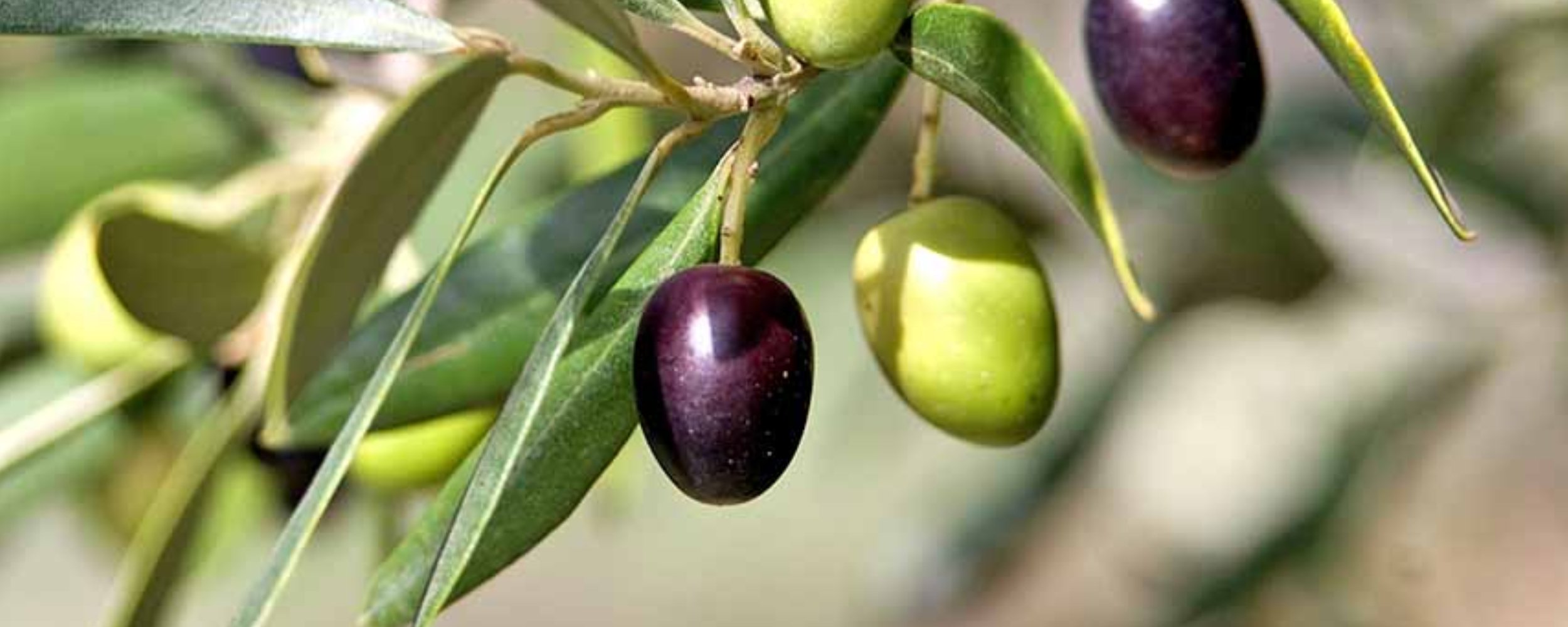
Olives
-
Landscaping
Olives are incredibly versatile, from stand-alone trees to hedging, topiary, and being used as a houseplant. Olives respond well to pruning but adjust the pruning to suit the reason for having an Olive tree.
-
Culinary & Nutrition
The fruit of Olive is initially inedible. Olives may be processed either while unripe to produce "green olives" or, when ripe, to produce "black olives", as are used on pizza, Mexican food, and Mediterranean-style salads. Olive oil is rich in oleic acid and good for cardiovascular health. Contains monounsaturated fat, the 'good' cholesterol. It may help with inflammation in joints etc.
-
Growing Conditions
Olives prefer a reasonably sheltered environment, although air movement is needed for pollination. In high rainfall areas, ensure the plant has good drainage. Can tolerate drought conditions and can be exceptionally long-lived. A general low-nitrogen fertiliser will keep the Olive happy.
Incredible Olive Varieties


Get inspired by homegrown deliciousness




Incredible Experts
Hang out with our experts for a few home-grown tips and tricks.


Olive El Greco is a dense, bushy tree well suited for hedging, screening and topiary use. Also suitable for street planting and grown in containers. It is self-fertile, although, in New Zealand, its fruit production is unreliable. Trim regularly to maintain the required shape. If your El Greco does fruit, the fruit has good oil content, but the fruit is mainly used for pickling.
Although Olives are self-fertile, all will benefit from having multiple plants to maximise fruit production.
General tips for harvesting; Olives for oil production are harvested when black, but for pickling, some varieties are picked when changing from green to greenish-yellow, and others are picked when turning black.
Check out our All about Olives expert advice page for so much more on how and where to grow Olives.
Olea europaea ‘El Greco’