

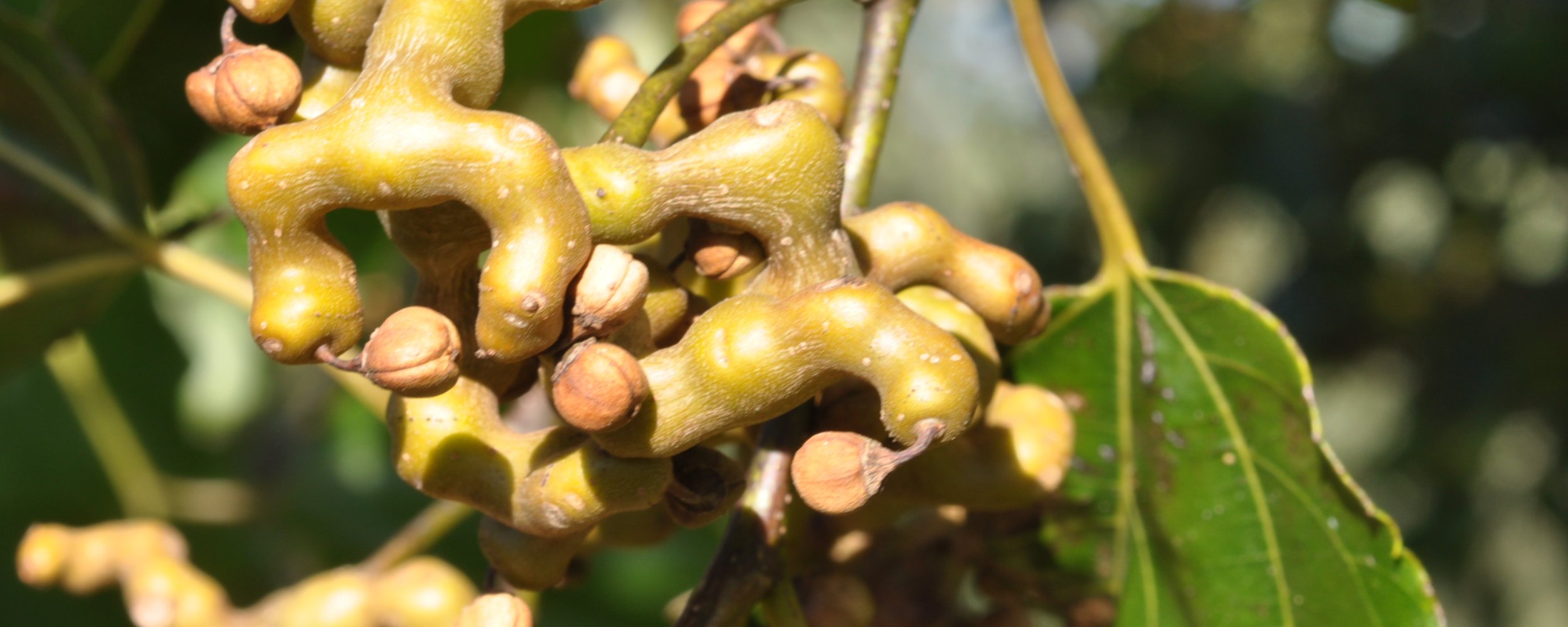
Japanese Raisin Tree
-
Landscaping
The Japanese Raisin Tree is an excellent specimen tree or ideal shade tree that will add interest to any garden. A fully grown tree will reach a height of approximately 10 m.
-
Culinary & Nutrition
Recent research has shown that the raisin extract may help lower blood sugar levels and be used as an anti-diabetic product. The Chinese have used the stalks to make a drink to help relieve hangovers.
-
Growing Conditions
When grown in full sun, a very cold, hardy (deciduous) tree will induce flowering and increase the sweetness of the raisin. Avoid salty winds. The raisin tree grows in many soil types other than waterlogged soils.
Incredible Japanese Raisin Tree

Get inspired by homegrown deliciousness
Get Inspired






Incredible Experts
Hang out with our experts for a few home-grown tips and tricks.
Featured


The Japanese Raisin Tree is a quick-growing deciduous tree with an upright open growth habit, with spreading to drooping branches. The edible ‘raisins’ are not a fruit but a swollen flower stalk. Once the flower has been pollinated, the seed and stalk develop. The flower stalk swells and becomes fleshy and lumpy, reddish brown in colour. The seed pod is round and small but inedible. In autumn, the ‘fruit’ will drop from the tree when ripe, or they can be hand-picked. The swollen stalks can be eaten fresh or added to dishes where you use dried fruit. Can be stored (up to 2 months), where the flavour will improve. Gather the freshly dropped bunches in a paper bag and store them in the hot-water cupboard.
Known to be free of any significant pests and diseases. No pruning is required; the lower branches will drop as the tree grows.
Hovenia dulcis