

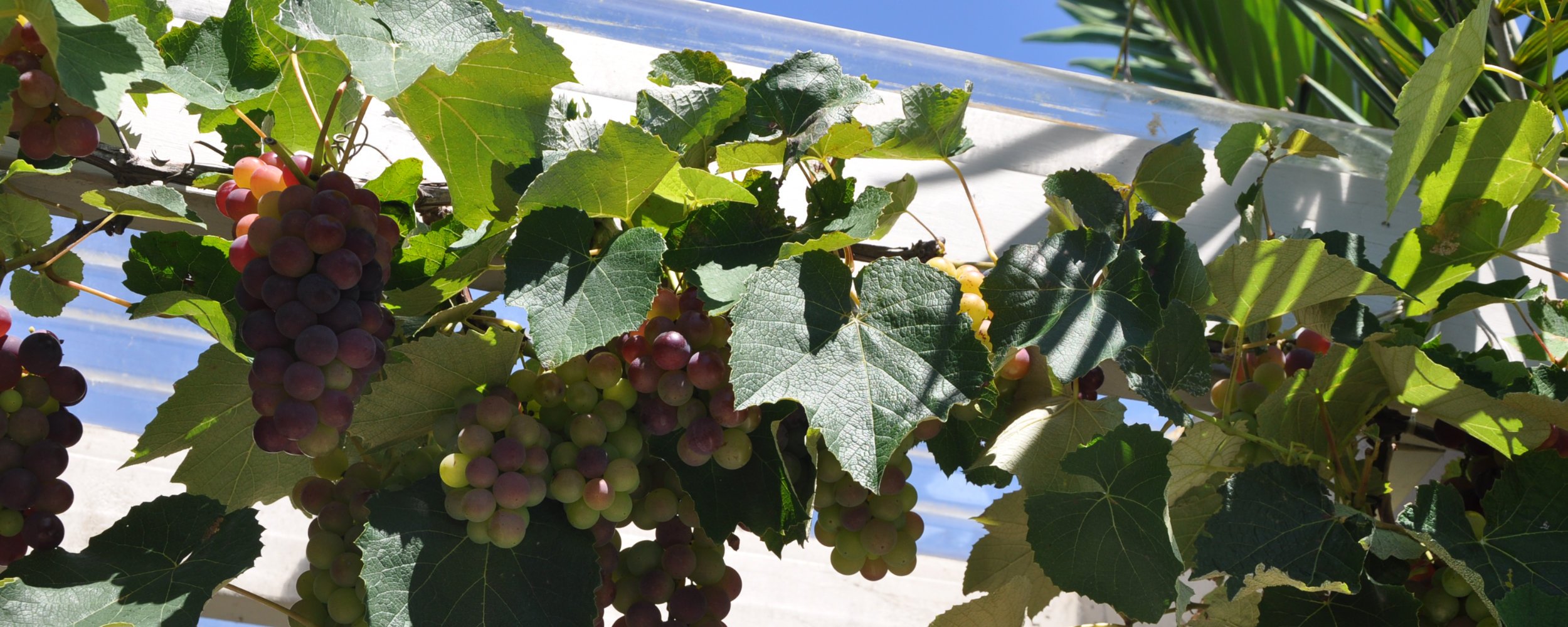
Grapes
-
Landscaping
The vines create great summer shade over a pergola, balcony or deck, then turn gorgeous autumn shades before losing their leaves to let in the winter sun. The attractive grape leaves give a truly Mediterranean effect to your garden. Great for north-facing walls or fences, pergolas or try growing one on a rose stand.
-
Culinary & Nutrition
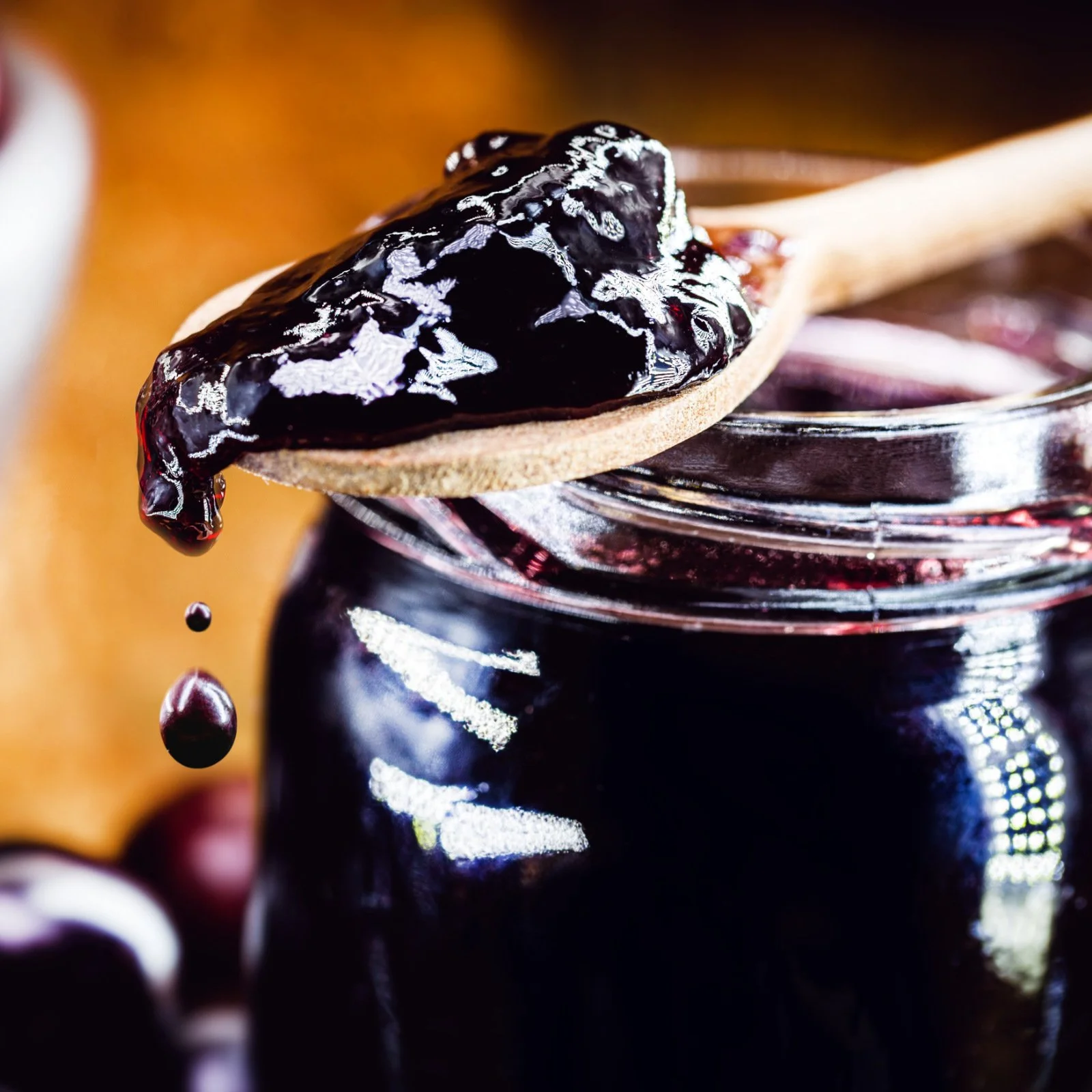
Grapes have been positively linked to fighting cancer, heart disease and other ailments. A lot of beneficial compounds are found in the skin of grapes (As only red wine is fermented with skin, there are some additional benefits with red wine). Besides the high antioxidant qualities, grapes are high in vitamins A, B1, B2 and potassium. Eat fresh, add to fruit salad, with cheese & crackers or use for making jam, grape juice, jelly and grape seed oil.
-
Growing Conditions
Full sun with good air circulation and some protection from strong winds. Grapes can tolerate some salt wind. Grapes can be grown in various soil conditions, but a slightly acidic, deep, well-drained light loam is preferred. Good airflow and preventative copper sprays will keep fungal diseases at bay. Minimum fertiliser is required. Good watering during the growing season will be beneficial. Frost hardy. See individual variety description for pruning tips.
Incredible Grape Varieties

Grape Buffalo, bunches of bluish-black table grapes are sweet and juicy with a hint of spice. Is not seedless, has medium to large fruit and is a heavy producer with large, deeply lobed leaves. It is vigorous and hardy but susceptible to powdery mildew, so it is important for summer pruning to increase airflow. Bunches of small green flowers are borne on current season's growth. Adverse conditions at the time of flowering (cold and wind) can result in low fruit numbers or dropped fruit. Harvest is mid-season (mid-March to early April).
Pruning table grapes is a vital practice that helps maintain the vine's health, productivity, and structure. Here are some key steps to effectively prune table grapes:
Prune during the dormant season, typically in late winter or early spring, before new growth begins. This allows you to assess the vine's structure and make precise pruning decisions.
Remove any dead, diseased or damaged wood back to the main stem.
Select the main canes that are well-spaced and secure along supporting wires.
Prune lateral shoots back to main canes. Depending on the area to grow, choose about ten lateral buds. These will produce the fruiting canes for the upcoming season.
Remove unwanted canes that may crowd the vine. Essential to keep the structure open and balanced.
Keep the area around your plants clean and tidy. Mulch the base of the vine to conserve moisture and suppress weeds.
Remove excess growth from lateral canes once the grapes are close to ripening in summer. Remove leaves from around grape bunches so the sun can penetrate the vine to help them ripen.
Spraying with a copper spray in winter and from bud burst, in addition to summer pruning (to allow good airflow), will help minimise the risk of fungal diseases (Powdery and Downey mildew).
Interesting tip; make a rose pillar inside a half wine barrel using wood support so the pillar remains centre and firm. Fill the wine barrel with potting mix and plant your favourite grape. Tie your plant to the centre pillar until it reaches the top. Pinch out the top and encourage laterals to grow around the framework. Feed twice a year with general NPK fertiliser. Water well over fruiting time. Prune back at the end of winter before bud burst.
Vitus ‘Buffalo’
Grape Candice, bunches of red/amber table grapes with a delicate and spicy flavour. A seedless Grape has medium-sized fruit with large, deeply lobed leaves, is moderately vigorous, hardy and has good disease resistance. Bunches of small green flowers are borne on current season's growth. Adverse conditions at the time of flowering (cold and wind) can result in low fruit numbers or dropped fruit. Harvest is mid to late season (March - April).
Pruning table grapes is a vital practice that helps maintain the vine's health, productivity, and structure. Here are some key steps to effectively prune table grapes:
Prune during the dormant season, typically in late winter or early spring, before new growth begins. This allows you to assess the vine's structure and make precise pruning decisions.
Remove any dead, diseased or damaged wood back to the main stem.
Select the main canes that are well-spaced and secure along supporting wires.
Prune lateral shoots back to main canes. Depending on the area to grow, choose about ten lateral buds. These will produce the fruiting canes for the upcoming season.
Remove unwanted canes that may crowd the vine. Essential to keep the structure open and balanced.
Keep the area around your plants clean and tidy. Mulch the base of the vine to conserve moisture and suppress weeds.
Remove excess growth from lateral canes once the grapes are close to ripening in summer. Remove leaves from around grape bunches so the sun can penetrate the vine to help them ripen.
Spraying with a copper spray in winter and from bud burst, in addition to summer pruning (to allow good airflow), will help minimise the risk of fungal diseases (Powdery and Downey mildew).
Interesting tip; make a rose pillar inside a half wine barrel using wood support so the pillar remains centre and firm. Fill the wine barrel with potting mix and plant your favourite grape. Tie your plant to the centre pillar until it reaches the top. Pinch out the top and encourage laterals to grow around the framework. Feed twice a year with general NPK fertiliser. Water well over fruiting time. Prune back at the end of winter before bud burst.
Vitus ‘Candice Seedless’
Grape Niagara is one of the most popular varieties of grapes. Bunches of delicious, sweet, mild white table grape with a thin skin and a low seed count. Large juicy oval fruit with large deeply lobed leaves, moderately fast-growing and hardy. Bunches of small green flowers are borne on current season's growth. Adverse conditions at the time of flowering (cold and wind) can result in low fruit numbers or dropped fruit. Harvest is early season (Late February to mid-March).
Pruning table grapes is a vital practice that helps maintain the vine's health, productivity, and structure. Here are some key steps to effectively prune table grapes:
Prune during the dormant season, typically in late winter or early spring, before new growth begins. This allows you to assess the vine's structure and make precise pruning decisions.
Remove any dead, diseased or damaged wood back to the main stem.
Select the main canes that are well-spaced and secure along supporting wires.
Prune lateral shoots back to main canes. Depending on the area to grow, choose about ten lateral buds. These will produce the fruiting canes for the upcoming season.
Remove unwanted canes that may crowd the vine. Essential to keep the structure open and balanced.
Keep the area around your plants clean and tidy. Mulch the base of the vine to conserve moisture and suppress weeds.
Remove excess growth from lateral canes once the grapes are close to ripening in summer. Remove leaves from around grape bunches so the sun can penetrate the vine to help them ripen.
Spraying with a copper spray in winter and from bud burst, in addition to summer pruning (to allow good airflow), will help minimise the risk of fungal diseases (Powdery and Downey mildew).
Interesting tip; make a rose pillar inside a half wine barrel using wood support so the pillar remains centre and firm. Fill the wine barrel with potting mix and plant your favourite grape. Tie your plant to the centre pillar until it reaches the top. Pinch out the top and encourage laterals to grow around the framework. Feed twice a year with general NPK fertiliser. Water well over fruiting time. Prune back at the end of winter before bud burst.
Vitus ‘Niagara’
Grape Schuyler, bunches of sweet black table grapes with a slightly currant flavour. Not seedless, has medium-sized fruit with large, deeply lobed leaves, which turn to beautiful red tones in autumn. It is moderately vigorous and hardy and has good disease resistance. Bunches of small green flowers are borne on current season's growth. Adverse conditions at the time of flowering (cold and wind) can result in low fruit numbers or dropped fruit. Harvest is early season (Late February to mid-March).
Pruning table grapes is a vital practice that helps maintain the vine's health, productivity, and structure. Here are some key steps to effectively prune table grapes:
Prune during the dormant season, typically in late winter or early spring, before new growth begins. This allows you to assess the vine's structure and make precise pruning decisions.
Remove any dead, diseased or damaged wood back to the main stem.
Select the main canes that are well-spaced and secure along supporting wires.
Prune lateral shoots back to main canes. Depending on the area to grow, choose about ten lateral buds. These will produce the fruiting canes for the upcoming season.
Remove unwanted canes that may crowd the vine. Essential to keep the structure open and balanced.
Keep the area around your plants clean and tidy. Mulch the base of the vine to conserve moisture and suppress weeds.
Remove excess growth from lateral canes once the grapes are close to ripening in summer. Remove leaves from around grape bunches so the sun can penetrate the vine to help them ripen.
Spraying with a copper spray in winter and from bud burst, in addition to summer pruning (to allow good airflow), will help minimise the risk of fungal diseases (Powdery and Downey mildew).
Interesting tip; make a rose pillar inside a half wine barrel using wood support so the pillar remains centre and firm. Fill the wine barrel with potting mix and plant your favourite grape. Tie your plant to the centre pillar until it reaches the top. Pinch out the top and encourage laterals to grow around the framework. Feed twice a year with general NPK fertiliser. Water well over fruiting time. Prune back at the end of winter before bud burst.
Vitus ‘Schuyler’
Get inspired by homegrown deliciousness
Incredible Experts
Hang out with our experts for a few home-grown tips and tricks.


Grape Albany Surprise, one of the best know varieties, has bunches of very sweet black table grapes of sweet traditional flavour. It is not seedless but has good disease resistance with large, deeply lobed leaves. Bunches of small green flowers are borne on current season's growth. Adverse conditions at the time of flowering (cold and wind) can result in low fruit numbers or dropped fruit. Harvest is mid-season (mid-March to early April).
Pruning table grapes is a vital practice that helps maintain the vine's health, productivity, and structure. Here are some key steps to effectively prune table grapes:
Prune during the dormant season, typically in late winter or early spring, before new growth begins. This allows you to assess the vine's structure and make precise pruning decisions.
Remove any dead, diseased or damaged wood back to the main stem.
Select the main canes that are well-spaced and secure along supporting wires.
Prune lateral shoots back to main canes. Depending on the area to grow, choose about ten lateral buds. These will produce the fruiting canes for the upcoming season.
Remove unwanted canes that may crowd the vine. Essential to keep the structure open and balanced.
Keep the area around your plants clean and tidy. Mulch the base of the vine to conserve moisture and suppress weeds.
Remove excess growth from lateral canes once the grapes are close to ripening in summer. Remove leaves from around grape bunches so the sun can penetrate the vine to help them ripen.
Spraying with a copper spray in winter and from bud burst, in addition to summer pruning (to allow good airflow), will help minimise the risk of fungal diseases (Powdery and Downey mildew).
Interesting tip; make a rose pillar inside a half wine barrel using wood support so the pillar remains centre and firm. Fill the wine barrel with potting mix and plant your favourite grape. Tie your plant to the centre pillar until it reaches the top. Pinch out the top and encourage laterals to grow around the framework. Feed twice a year with general NPK fertiliser. Water well over fruiting time. Prune back at the end of winter before bud burst.
Vitis ‘Albany Surprise’